
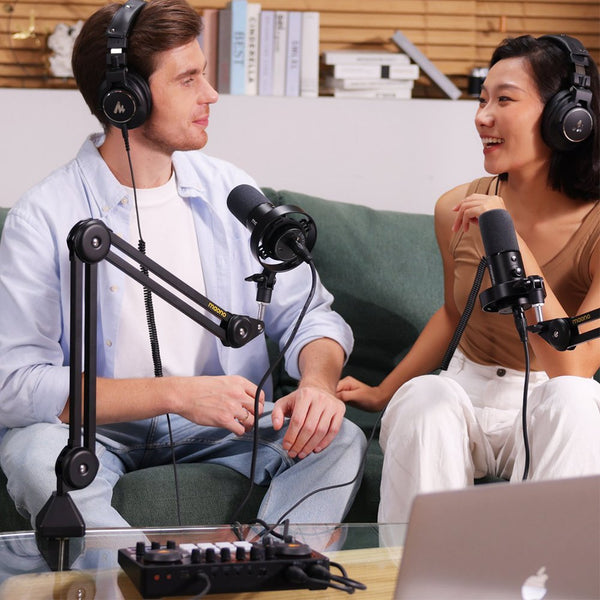
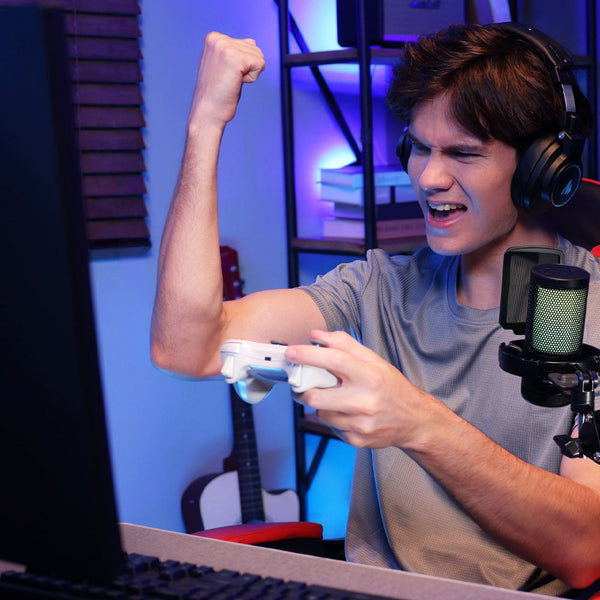
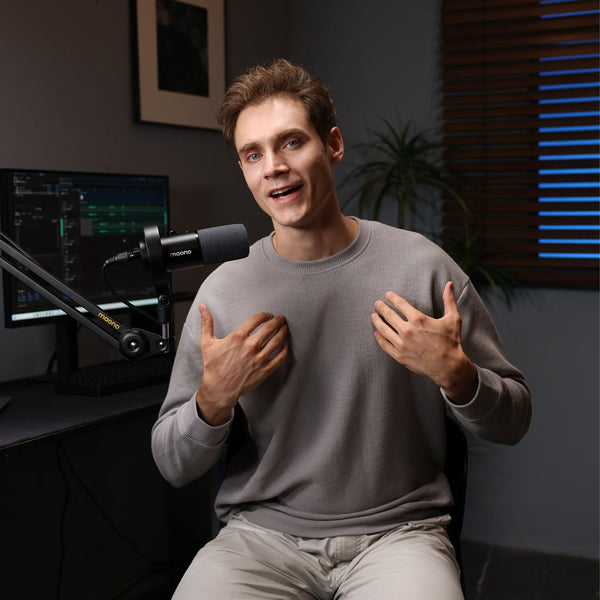
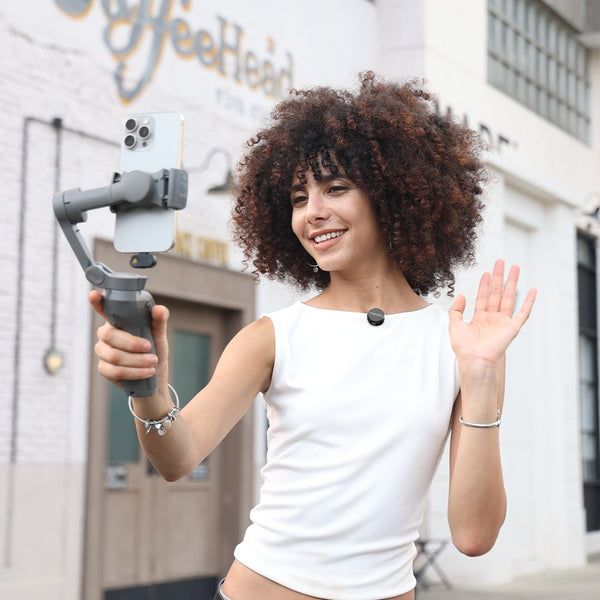
Are you a beginner podcaster looking to set up a multiple-person interview? Continue reading as we explore expert techniques and recommended gear to help ensure the success of your podcast. We also recommend using the Maono PD200W—a hybrid wireless microphone that’s portable, features long battery life, and includes a built-in sound card for easy operation. This lets you skip the need for an audio interface, which can be overwhelming and time-consuming for beginners.
Launching a podcast is easier today than ever before—but when it comes to recording more than one person, many beginners worry about needing complex studio gear, mixers, or bulky audio interfaces. The good news? You can create a clean, professional multi-person podcast setup without using an external audio interface. Thanks to modern podcast microphones with built-in sound cards—such as the highly capable Maono PD200W—multi-speaker recording has become more flexible, portable, and beginner-friendly.
In this comprehensive guide, we’ll walk through the best techniques, recommended gear, how to prevent common audio issues, and the pros and cons of using built-in sound card microphones over traditional setups. Whether you're podcasting at home, on the go, or outdoors, this guide will help you achieve clear, consistent audio for interviews, co-hosted shows, and multi-guest conversations. If you're searching for the best microphone for podcasting or need advice on building a simple podcast microphone setup, this article will guide you through every step.

How to Record a Multi-Person Podcast Without an Audio Interface
There are several ways to record multiple speakers without relying on an audio interface. The key is using podcast mics with built-in sound cards, which convert analog voice signals directly into digital audio. This eliminates the need for mixers and interfaces and helps you build a practical microphone setup for podcast recording.
Techniques
-
Use individual USB/Bluetooth/wireless microphones per person
Each microphone acts as its own audio interface, capturing separate audio without external hardware—a strong benefit if you want a good microphone for podcast production. -
Record each guest on separate devices
A simple method: each speaker records into their own laptop, phone, or tablet. -
Wireless microphone systems with receivers
These systems allow mobile, clutter-free setups during interviews.
Recommended Device: Maono PD200W
The Maono PD200W stands out as one of the top mics for this purpose because:
-
It has a built-in sound card, removing the need for extra hardware.
-
It offers triple-mode connectivity (USB + XLR + 2.4GHz wireless).
-
It’s portable, making it perfect for dynamic interviews.
-
It includes onboard controls like gain, mute, and monitoring.
-
It pairs quickly with its wireless receiver—ideal for beginners.
For multi-speaker setups, you can use multiple PD200W units wirelessly or via USB on separate devices, making it an excellent addition to any modern podcast microphone setup.
Setups That Don’t Require Traditional Audio Interfaces
Here are a few practical setups:
-
Setup A (The Simplest):
One PD200W per person + smartphone or laptop per person. -
Setup B (Two-Person Wireless):
Two PD200W units in wireless mode using their receivers into one computer that supports multi-input selection. -
Setup C (Portable Outdoor Setup):
PD200W → paired to phone → audio captured using mobile recording apps.
These setups keep your workflow clean and manageable—perfect for beginners, mobile creators, or anyone searching for the best microphone for podcasting without complicated gear.
Advantages of Using a Podcast Microphone With a Built-In Sound Card
Choosing a microphone like the PD200W with an integrated sound card offers several benefits:
1. No complex equipment needed
Beginners often feel overwhelmed by mixers, XLR cables, and multi-channel audio interfaces. A built-in sound card simplifies everything and supports a straightforward microphone setup for podcast recording.
2. True plug-and-play recording
Just plug in via USB-C, connect wirelessly, or pair with a phone—no drivers needed.
3. Consistent audio quality
Built-in sound cards are calibrated specifically for the microphone, ensuring stable gain, clean output, and balanced frequency response.
4. Portability and mobility
Podcasters who record outside a studio—such as vloggers or interviewers—benefit from having fewer pieces of gear. For them, a good microphone for podcast is one that remains reliable in any environment.
Best Recording Software for Multi-Person Podcasting
Here are the best tools for capturing multiple speakers without an audio interface:
1. Audacity (Free)
Great for beginners; supports multi-track recording.
2. OBS Studio (Free)
Popular among streamers; allows assigning different mic sources.
3. Adobe Audition (Paid)
Excellent for professional audio cleanup and post-production.
4. Riverside.fm and Zencastr (Web-based)
Ideal for remote multi-person podcasts; each guest gets an individual track.
5. GarageBand (Mac/iOS)
Beginner-friendly and supports multiple inputs on compatible devices.
These tools make it easy to manage multi-person audio even when using wireless or USB podcast microphones.
How to Avoid Echo, Crosstalk, and Overlapping Audio
Multiple-speaker environments can introduce unwanted noise. Here’s how to prevent it:
1. Use cardioid microphones
The PD200W uses a cardioid pattern that reduces background noise and minimizes bleed from nearby speakers.
2. Set microphones 6–10 inches from each speaker
This ensures clarity and reduces room echo.
3. Use soft furnishings
Carpets, curtains, and foam help reduce reflections.
4. Lower gain on all microphones
Too-high gain picks up voices from others.
5. Use pop filters and mic stands
They stabilize sound and prevent plosives.
How PD200W and Similar Mics Handle Movement and Distance
The PD200W excels in scenarios where guests move or shift during conversations. Its advantages:
-
Wireless freedom
Guests can sit, stand, or adjust positions without tangling wires.
-
Stable signal
The 2.4GHz wireless system keeps audio steady even at several meters away.
-
Adaptive gain
Built-in sound cards ensure consistent balance.
This makes it ideal for podcasts with active guests or interview setups where movement is common—perfect when looking for the best microphone for podcasting that stays consistent in different recording positions.
Recording Interviews Outdoors or on Location
Outdoor or on-the-go podcasting has unique challenges, but built-in sound card microphones make it easier.
Techniques for Travel Podcasts, Vlogs, or Public Interviews
-
Use windshields or foam covers to block wind noise.
-
Shoot during quieter hours to avoid heavy background noise.
-
Keep the mic close to the speaker’s mouth—6 inches for clarity.
-
Use wireless mode with the PD200W for natural movement.
-
Record backup audio on a phone or secondary device.
The PD200W’s wireless and USB options make it extremely versatile for non-studio environments and enhance any podcast microphone setup in the field.
Pros and Cons of Built-In Sound Card Microphones vs. Audio Interfaces
Here’s an honest comparison to help you choose the right setup.
Pros
-
Easy for beginners
-
No bulky equipment
-
Portable and flexible
-
Faster setup time
-
Perfect for travel or mobile podcasting
Cons
-
Not as customizable as multi-channel interfaces
-
Some laptops may struggle with multiple USB microphones
-
Wireless use requires steady pairing and distance management
Ultimately, built-in sound card mics like the PD200W are ideal for beginners, mobile podcasters, and those who want a good microphone for podcast recordings without complexity.
Frequently Asked Questions (FAQs):
1. Can I record a two-person or three-person podcast using only the Maono PD200W without an audio interface?
Yes. You can record multiple people by using multiple PD200W microphones, each connected to separate devices, or by pairing multiple wireless receivers depending on your setup.
2. How do I connect multiple PD200W microphones to one laptop?
Some laptops can accept multiple USB audio devices. You will need recording software that allows selecting more than one input—OBS and Riverside are great options.
3. Can a built-in sound card microphone replace an audio interface for interviews?
Yes, especially for beginners or mobile creators who want a simple, plug-and-play solution.
4. What are the limitations of using built-in sound card mics for multi-guest recordings?
Laptops may have issues recognizing multiple USB audio inputs. In that case, using wireless receivers or separate devices per speaker is more reliable.
5. How do I make sure each person’s voice sounds balanced and consistent?
Adjust gain levels, maintain consistent mic distance, and normalize voices during editing.
6. How do I reduce echo or mic bleed when multiple people are in one room?
Use cardioid microphones, position mics closer to each speaker, reduce gain, and add soft materials to reduce reflections.
7. What’s the best recording software for multiple podcast microphones?
For beginners: Audacity.
For multi-track USB recording: OBS or Audition.
For browser-based multi-person recording: Riverside or Zencastr.
8. How do I fix sync issues when recording multiple speakers?
Align tracks manually in editing software or use platforms like Riverside that auto-sync audio.
9. Is the Maono PD200W good for outdoor interviews or moving guests?
Yes. Its wireless system, portability, and built-in sound card make it one of the best options for on-location interviews.
10. Can I use multiple wireless PD200W units simultaneously without interference?
Yes. Each PD200W system operates on stable 2.4GHz channels designed to avoid interference when multiple units are used together.
Conclusion
Recording multi-person podcasts without an audio interface is not only possible—it’s simpler and more efficient than traditional studio setups. With modern tools like the Maono PD200W, podcasters gain portability, ease of use, and flexibility for both indoor and outdoor interviews. Whether you're recording at home, collaborating with co-hosts, or conducting mobile interviews, built-in sound card microphones deliver reliable results without overwhelming beginners with complicated equipment.
Following the techniques, setups, and recommendations in this guide can help you confidently produce clear, professional multi-person podcast episodes anytime, anywhere—using the best microphone for podcasting, the right podcast microphones, and a streamlined podcast microphone setup designed for modern creators.