


Do you enjoy listening to the rich, clear voices of creators? I personally enjoy listening to confident creators through their podcasts. I would say that the high quality of their audio greatly influences my decision to stay on their channel and keep listening.
This time, I want to talk about journaling as an interesting podcast topic because of its many physical and mental benefits.
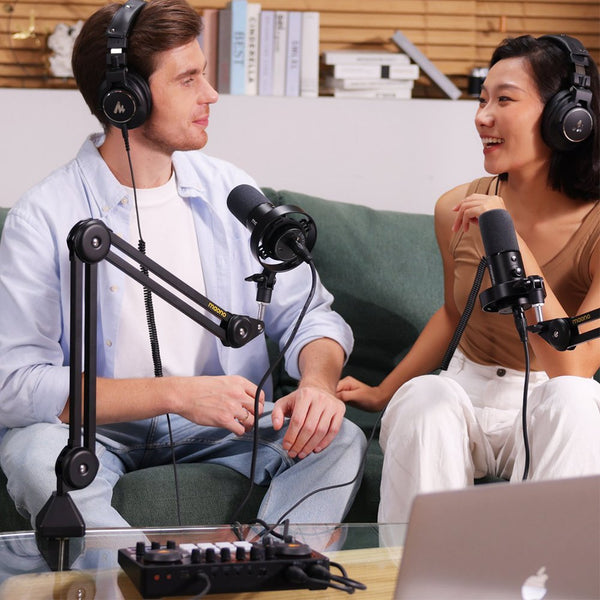
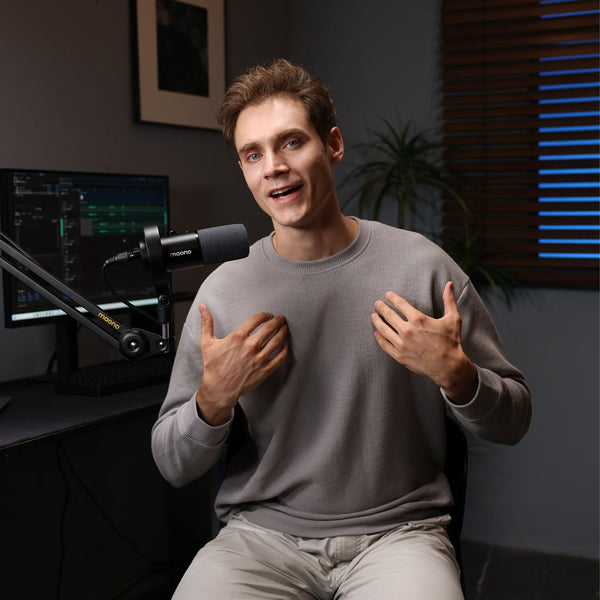
In this article, we recommend the Maono PD200W podcast microphone and the Maonocaster E2 audio mixer for podcast recording needs, especially for beginners.
Journaling is often seen as a quiet, personal practice—something you do alone with a notebook and your thoughts. But what exactly is journaling, and is it simply a hobby? At its core, journaling is the act of recording thoughts, feelings, experiences, and reflections in a consistent way. While many people start journaling as a creative outlet or stress-relief habit, it can grow into a powerful tool for self-awareness, emotional well-being, and even content creation—especially when paired with a podcast microphone or a reliable recording microphone for voice journaling.
Research-backed studies have shown that people who write in their journal for at least 20 minutes a day for four consecutive days experience measurable benefits, including improved immune functioning and reduced stress and anxiety. These findings help explain why journaling has stood the test of time across cultures and generations.
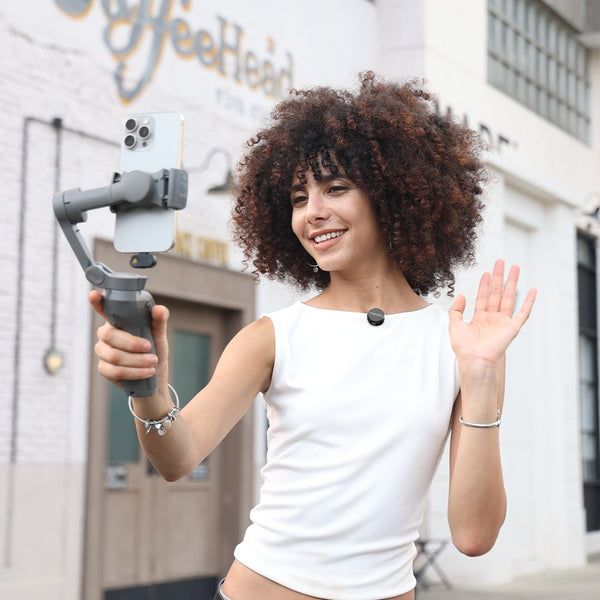
In recent years, journaling has also evolved beyond pen and paper. With the rise of podcasts and personal audio content, creators are turning their journals into spoken stories, reflections, and audio diaries using a dedicated recording mic or even a wireless microphone for flexible recording. This is where journaling doesn’t just change your inner life—it can also power a podcast and connect you with an audience that values authenticity.
Voice Journaling vs Written Journaling: Which Is Better?

Traditional written journaling involves physically writing or typing your thoughts. Voice journaling, on the other hand, is the practice of recording your thoughts out loud using a microphone or recording device, often supported by an audio mixer for better sound control.
What is voice journaling and how is it different from writing?
Voice journaling allows you to speak freely without worrying about grammar, spelling, or structure. Many people find it faster and more emotionally expressive because tone, pauses, and emphasis naturally convey feeling. Written journaling, however, can slow your thinking and encourage deeper reflection through deliberate word choice.
Which is better? Which is better? The answer depends on your goals. Written journaling is excellent for introspection and clarity, while voice journaling is ideal for those who think out loud or want to transition into podcasting. Many creators combine both—writing outlines and recording voice journals with a recording microphone to capture raw emotion.
How to Start Journaling for Beginners (Step-by-Step Guide)
Starting a journaling habit can feel intimidating, especially if you’ve never done it before.
How do I start journaling if I’ve never done it before?
Begin with simplicity. Choose a format you’re comfortable with—pen and paper, notes app, or voice recording using a podcast microphone. Set aside 5–10 minutes a day and focus on consistency rather than perfection.
What should I write about when I don’t know what to say?
You can start with prompts such as:
-
“Today I feel…”
-
“One thing that stood out today was…”
-
“Right now, I’m worried about…”
-
“Something I’m grateful for is…”
For voice journaling, simply answer these prompts out loud as if you’re talking to a trusted friend, using a wireless microphone if you prefer recording on the go..
How often should I journal to see real life changes?
Even journaling three to four times a week can lead to noticeable changes. However, daily journaling—even for a short time—helps build momentum and deeper self-awareness over time.
Daily Journaling Habits That Actually Stick
The key to journaling success is sustainability. Rather than aiming for long, perfect entries, focus on habits that fit your lifestyle.
-
Journal at the same time each day, such as in the morning or before bed
-
Keep your journal or recording mic easily accessible
-
Set a timer for 5–10 minutes to reduce pressure
-
Allow yourself to be imperfect and honest
When journaling feels like a natural part of your routine, it becomes easier to maintain—and more impactful.
How Journaling Will Change Your Life
Journaling creates a safe space to process thoughts and emotions. Over time, patterns emerge. You begin to notice recurring worries, habits, and beliefs. This awareness allows you to make conscious changes.
Many people report increased emotional resilience, better decision-making, and improved mental clarity. Journaling also helps you slow down in a fast-paced world, giving you a moment to reconnect with yourself—whether through writing or speaking into a recording microphone.
Teaching Journaling Techniques Through Your Podcast
If you’re a podcaster or aspiring creator, journaling can become both your subject and your method. Teaching journaling techniques through a podcast allows you to guide listeners in real time—prompting reflection, mindfulness, and self-growth with the help of a podcast microphone and a supportive audio mixer.
Podcast episodes can focus on:
-
Guided journaling sessions
-
Weekly reflection prompts
-
Personal stories drawn from your own journal
-
Interviews about journaling and mental wellness
This approach builds trust and positions you as an authentic voice rather than just a broadcaster.
Turning Your Journal Into Podcast Content
Can journaling be turned into a podcast or audio diary?
Absolutely. Many successful podcasts began as personal journals. Voice journaling recordings can serve as raw material for episodes, especially when captured with a quality recording mic.
The key is intention. Decide whether your podcast is private and therapeutic or public and educational. From there, refine your recordings with clarity, pacing, and quality audio equipment.
Best Audio Setup for Journaling Podcasts
(Maono PD200W + Maonocaster E2)
High-quality audio plays a major role in keeping listeners engaged. For beginners, a simple but professional podcast starter kit setup makes all the difference.
Maono PD200W Podcast Microphone Features

-
Smart Studio Sound
Get rich, professional audio with a 30mm dynamic microphone and cardioid pickup that focuses on your voice while reducing background noise
-
Dual track recording
Ideal for capturing clean, flexible audio for editing
-
60-meter wireless range and up to 60 hours of battery life
Perfect for flexible recording sessions without worrying about constant charging
Maonocaster E2 (AME2) Audio Mixer Features
-
Up to 11 customized sound pads to enhance your podcast atmosphere
-
6 reverb modes with adjustable time and depth for creative voice effects
-
Specially designed for podcasting, live streaming, and content creation, making it beginner-friendly yet powerful
As the best audio mixer option for beginners, the Maonocaster E2 gives creators intuitive control over their sound. Together, the Maono PD200W and Maonocaster E2 form a reliable Podcast starter kit for voice journaling and podcasting, especially for creators who want quality without complexity.
How Creators Use Journaling to Build Authentic Podcast Stories
Audiences connect with honesty. Creators who journal regularly develop a deeper understanding of their own stories, struggles, and growth. By drawing from journal entries and recording them with a trusted recording microphone, podcasters can share experiences that feel real rather than scripted.
This authenticity builds loyalty. Listeners don’t just tune in for information—they listen because they feel understood.
Benefits of Journaling
Journaling offers both mental and emotional benefits, including:
-
Clearing your mind by releasing mental clutter
-
Processing emotions in a healthy, private way
-
Gaining deeper understanding of your thought patterns
-
Practicing self-reflection and getting to know yourself better
When combined with voice recording, these benefits extend into communication skills and confidence.
Common FAQs About Journaling
What are the benefits of journaling every morning vs every night?
Morning journaling helps set intentions and clear your mind for the day, while night journaling is ideal for reflection and emotional processing.
How long does it take for journaling to change your mindset?
Some people notice changes within a few weeks, while deeper shifts often appear after one to two months of consistent practice.
Is journaling effective for goal setting and productivity?
Yes. Journaling helps clarify priorities, track progress, and identify obstacles, making it a powerful productivity tool.
FAQs About the Maono Podcast Kit for Starters
Is the Maono PD200W good for podcast journaling and voice recording?
Yes. Its dynamic design and cardioid pickup make it ideal for clear, focused voice recordings.
How does the Maonocaster E2 improve podcast sound quality?
It allows real-time sound control, reverb adjustments, and creative enhancements without complex software.
What settings should I use on the Maonocaster E2 for solo podcasting?
Start with minimal reverb, moderate gain, and a clean vocal preset to maintain a natural sound.
Can I use the Maono PD200W for both journaling and streaming?
Yes. Its versatility makes it suitable for podcasting, journaling, and live streaming.
How do I set up the Maono PD200W with the Maonocaster E2 as a beginner?
Connect the microphone to the mixer, adjust gain levels, monitor with headphones, and start recording—no advanced setup required.
Conclusion
Journaling is far more than a hobby. It’s a life-changing practice that improves mental health, emotional clarity, and self-awareness. When combined with voice recording and podcasting, journaling becomes a powerful tool for storytelling and connection.
Whether you’re writing in a notebook or speaking into a podcast microphone, journaling helps you understand yourself—and share that understanding with others. With a beginner-friendly setup like the Maono PD200W and Maonocaster E2, you can turn personal reflection into meaningful audio content and power a podcast that truly resonates.
Related Articles:
Mindful Podcasting: Sharing Mental Health Stories Safely and Honestly
Start a Personal Podcast: Storytelling Tips & Best Mics Reviewed