

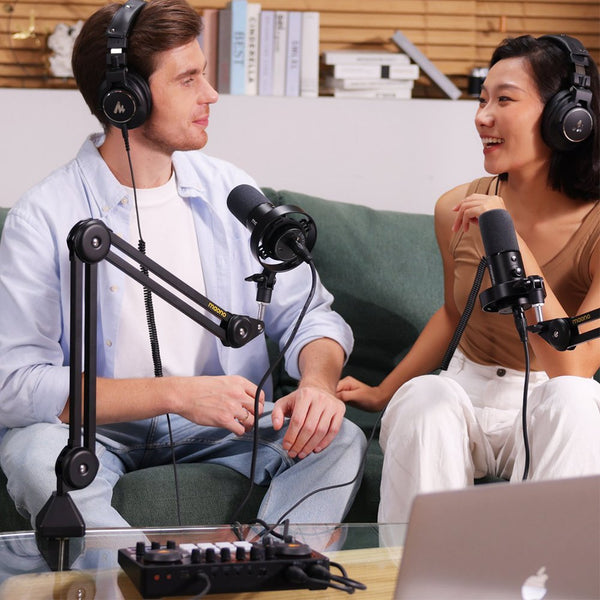
Running an advice-column-style podcast requires structure. Creators can’t simply say whatever they feel like sharing on their channels—unless they want to mislead or confuse their audience. Just as content needs organization, the equipment podcasters use must also deliver professional, studio-grade sound quality.
In this article, we recommend the Maono PD200W for solo or two-person podcasting. Learn the best techniques for using the wireless microphone to consistently produce studio-grade audio in all your recordings.

An advice-based podcast is one of the most rewarding ways to connect deeply with your audience. Listeners tune in because they trust you with their questions—whether they’re seeking help with personal challenges, creative goals, relationships, careers, or everyday struggles. But producing a great advice show requires more than wisdom and empathy. You also need clear, consistent audio quality that makes listeners feel like they’re having a real conversation with you, which is why choosing the best microphone for podcasting, a reliable microphone for podcast, or even a good microphone for podcast matters more than you think.
That’s where the Maono PD200W shines. Whether you’re reading emails, answering live phone calls, or structuring a Q&A segment, this dynamic microphone podcast helps you create a warm, clear, and trustworthy audio experience. This guide will walk you through How to Run an Advice Podcast Using the Maono PD200W, building listener trust, managing emails and calls, and creating a smooth and engaging format. For creators who want a dependable podcasting microphone, this is one of the best tools available.
How to Build Trust and Connection with Listeners Asking for Help
Advice podcasts depend on trust. Listeners must feel safe opening up about their personal stories, and they need to believe that your responses are thoughtful and genuinely helpful. Here are ways to build that emotional connection:
-
Create a warm, conversational tone. The PD200W’s dynamic capsule emphasizes vocal richness, helping you sound empathetic and relatable.
-
Stay consistent with your posting schedule. Reliability builds trust.
-
Acknowledge listener vulnerability. Thank listeners for sharing—especially when topics are sensitive.
-
Offer nuanced responses. Avoid one-size-fits-all answers. Tailor guidance to the situation.
-
Protect anonymity. When reading emails, change identifying details.
The more your audience sees you as a trusted voice, the more questions, emails, and calls you’ll receive for future episodes.
Using the Maono PD200W’s Features for Clear Voice Delivery
The Maono PD200W is built for creators who want clear vocal presence without complicated gear. Its standout features include:
-
Dynamic cardioid pickup to isolate your voice and reduce background noise.
-
USB and XLR dual connectivity, allowing you to plug directly into a laptop or run through an interface/mixer.
-
Solid noise rejection, especially useful when reacting to live callers or moving between screens.
-
Real-time monitoring to ensure your voice stays consistent throughout the episode.
When giving advice, tone matters. The PD200W helps deliver clarity, warmth, and professionalism—making listeners more engaged in your guidance.
How to Run an Advice Column–Style Podcast Using the Maono PD200W
An advice-column-style podcast typically includes:
-
Listener-submitted emails or messages
-
Live calls or recorded call-ins
-
Structured responses and solutions
The PD200W helps keep this format smooth by delivering consistent audio even when switching between reading, speaking, and reacting. To maximize its performance:
-
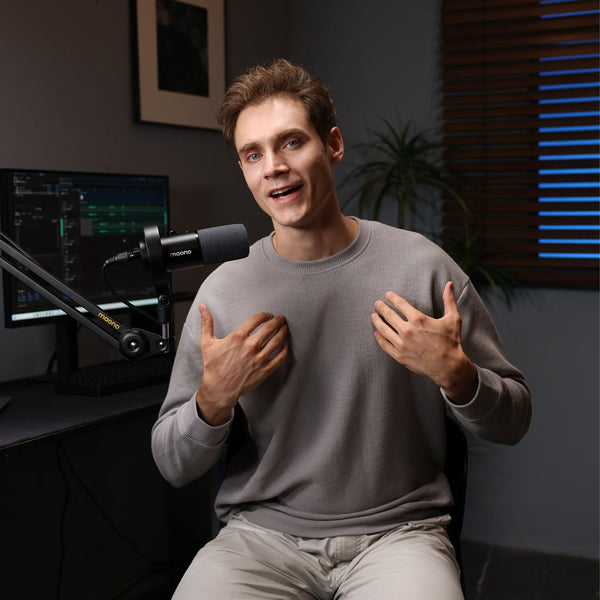
Maintain 3–6 inches mic distance.
-
Enable low-gain settings when speaking loudly.
-
Use a pop filter or foam cover to reduce plosives while reading emails.
A stable, consistent voice makes listeners feel guided and supported—just like reading a traditional advice column but in a modern audio format.
Best Techniques for Reading and Responding to Listener Emails Live
Reading listener emails cleanly is essential for pacing and audience engagement. Here’s how to approach it:
-
Summarize long messages. Avoid reading lengthy paragraphs verbatim.
-
Use a separate “reading voice.” Slow down and articulate clearly.
-
Pause for emphasis. Let important details sink in.
-
Transition smoothly into your advice with phrases like:
-
“Here’s how I see it…”
-
“Let’s break this down…”
-
Keep the mic at a consistent distance even while looking at your screen or notes.
With the PD200W’s tight pickup pattern, moving your head slightly won’t drastically change your audio level—perfect for reading on-air.
Technical Setup: Connecting Maono PD200W to Phones, Laptops, Mixers
Advice shows often mix multiple audio sources. That’s why the PD200W’s flexible connectivity is useful.
1. USB Connection (Simple Setup)
Perfect for:
-
Solo podcasters
-
Beginners
-
Laptop recording
Just plug in, select the mic as your input/output, and monitor in real time.
2. XLR Connection (Advanced Setup)
Ideal for:
-
Using audio interfaces
-
Adding EQ or compression
-
Multi-mic setups for co-hosts
3. Phone Call Integration
To take calls:
-
Use TRRS adapters to connect your smartphone to a mixer.
-
Or route calls through apps like Skype, Zoom, or Google Voice via your computer.
-
Always monitor levels to avoid echo or feedback.
4. Mixer/Interface Setup
For more professional call-ins:
-
Set up a mix-minus to avoid callers hearing themselves.
-
Send your mic signal to the caller while excluding the caller’s own audio loopback.
The more seamless your call audio, the more comfortable callers—and listeners—will be.
Creating a Structured Q&A Format for Listener Advice Shows
A clear Q&A flow keeps your episodes organized. A popular structure is:
-
Intro + listener shoutouts
-
Email of the week
-
Rapid-fire mini questions
-
Live call or voicemail response
-
Closing advice or takeaways
Optional segments:
-
“Anonymous Corner” for sensitive topics
-
“Quick Fixes” for short problems
-
“Weekly Challenge” to boost interaction
The PD200W’s consistent tone helps transitions feel natural even as your format shifts between segments.
How to Encourage More Emails, Messages, and Live Call Participation
Audience participation is the lifeblood of an advice podcast. Here’s how to increase engagement:
-
Ask directly at the end of each episode.
-
Provide clear submission instructions (“Email me at…” “Send a voicemail to…”).
-
Offer incentives, like featuring the best email of the week.
-
Maintain confidentiality, which encourages people to open up.
-
Encourage short, focused questions to fit more into each episode.
-
Build a community space on Instagram, TikTok, Discord, or Facebook.
Consistency, interaction, and empathy will naturally increase your audience’s willingness to share.
FAQs:
1. How do I set up the Maono PD200W for an advice-style show?
Use USB for simple setups or XLR for mixers/interfaces. Position it 3–6 inches away at mouth level.
2. What PD200W settings give the clearest voice for reading listener emails?
Use low to moderate gain, monitor in real time, and add a pop filter.
3. Can I connect the PD200W directly to my phone for call-ins?
Yes, using the appropriate USB-on-the-go (OTG) or TRRS adapter.
4. How do I avoid echo or mic bleed when taking a call live?
Use closed-back headphones and disable speaker monitoring.
5. Do I need a mixer or audio interface?
Not required—but helpful for multi-person or call-in episodes.
6. How can I take phone calls without the caller hearing themselves?
Use a mix-minus setup on your mixer.
7. What’s the best way to record both my voice and the caller’s voice clearly?
Record separate audio tracks when possible.
8. What apps work best for call-in segments?
Google Voice, Skype, Zoom, Riverside, and Discord.
9. How do I screen callers efficiently?
Use a co-host, producer, or a pre-call form to filter topics.
10. How do I handle dropped calls professionally?
Thank the listener, summarize their question, and continue your response.
11. How do I choose which emails to read on-air?
Pick those with broad relevance, emotional depth, or practical takeaways.
12. Best format for presenting advice in a podcast?
Intro → Problem → Breakdown → Advice → Action steps.
13. How do I keep episodes engaging while reading long emails?
Summarize, break them into segments, and add commentary.
14. How should I transition between email questions and phone calls?
Use short transitions like, “Now let’s take a caller…”
15. Should I let callers talk freely or guide them?
A balance works best: let them speak, then steer the conversation.
16. How do I answer sensitive questions responsibly?
Stay compassionate, offer general guidance, and avoid medical/legal claims.
17. What disclaimers should I mention?
Clarify that your content is for entertainment/educational purposes.
18. How do I protect listener privacy?
Change names or remove identifying details when needed.
19. How can I encourage more listeners to send questions?
Promote email submissions regularly and engage actively on social platforms.
Conclusion
Running an advice podcast requires empathy, clarity, and consistent audio quality. With its warm tone, noise rejection, and flexible connections, the Maono PD200W stands out as a reliable microphone for podcast creators and one of the best microphones for podcasting for email- or call-based advice formats. By building trust, crafting strong Q&A segments, and optimizing your technical setup, you can create a show your listeners feel deeply connected to—one they’ll return to for comfort, insight, and meaningful conversations.