
I’m sure all of us have New Year’s resolutions. For me, my goals for 2026 focus on self-care and mental health awareness. I believe that when you are physically, mentally, and emotionally healthy, you can better manage and care for all your endeavors—family, work, and everything you invest your energy in.
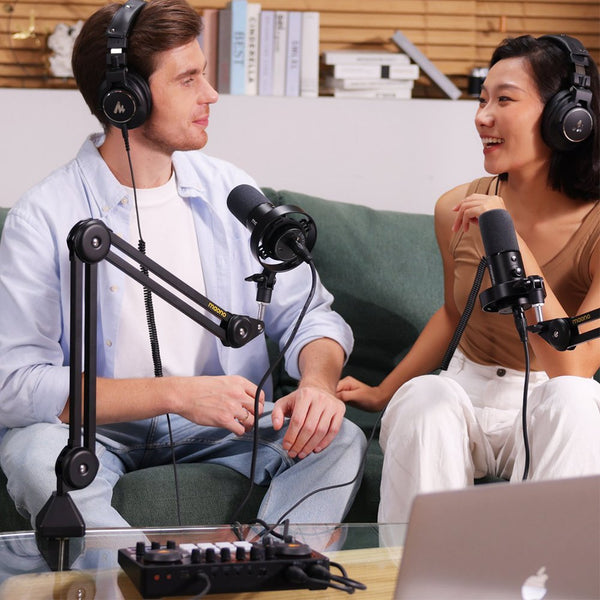
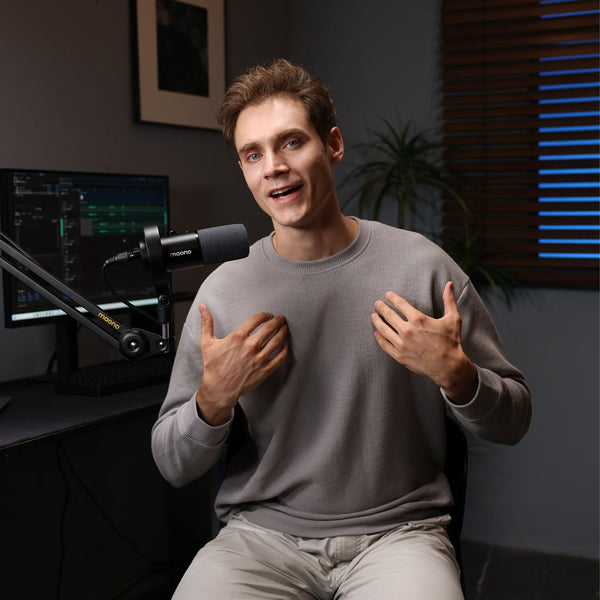
Improving one’s overall health is also an engaging and meaningful topic for vlog or podcast content. To share these conversations effectively, it’s important to gear up with reliable equipment, such as one of Maono’s best sellers—the PD200W, a podcast microphone well-suited for podcasting.
In this article, we explore ways to share information with our audience, one of which is through podcasting. A good podcast microphone helps us thrive on this journey of personal growth while also supporting others in understanding personal struggles, shifting perspectives, developing resilience, and reaching audiences with clarity.
How High-Quality Audio Builds Trust in Vulnerable Conversations
In mental health podcasting, your voice is more than just sound—it’s a bridge of trust. When listeners tune in to hear personal stories, emotional reflections, or difficult conversations, they subconsciously assess sincerity through audio clarity, tone, and presence. Using a good microphone for podcast recording helps ensure your message is heard clearly and comfortably. Poor audio quality can feel distant or distracting, while clean, warm sound creates intimacy and calm.
High-quality audio reduces listening fatigue, allowing audiences to focus on your words rather than background noise or distortion. Whether you’re using a podcasting microphone at home or recording on the go, sound quality plays a crucial role in how your story is received. In vulnerable conversations, that sense of closeness is essential. It tells listeners you care enough to show up fully and creates a safe space where honesty can exist.
Healing Out Loud: Is Sharing Your Mental Health Journey Online Healthy?
Sharing mental health experiences online has become more common in recent years, especially through podcasts. Speaking openly can reduce stigma, help others feel less alone, and even support the speaker’s own healing. Choosing the best microphone for podcasting ensures these important conversations are delivered with clarity and respect.
Mindful podcasting recognizes that while storytelling can be powerful, creators must first consider their emotional capacity, the permanence of online content, and the unpredictability of audience responses. Balance—not oversharing or silence—is the goal.
What Makes the Maono PD200W the Best Microphone for Podcasting?

When discussing sensitive topics, your equipment matters. The Maono PD200W wireless microphone stands out as a reliable microphone for podcast creators because it supports multiple recording environments without sacrificing quality.
It is compatible with phones, computers, and cameras, making it flexible for podcasters who record at home, on the go, or in hybrid setups. More importantly, it delivers podcast-level sound quality, capturing warm, focused vocals while minimizing background noise. These qualities place it among options often considered the best podcast microphone for creators who value clarity, empathy, and trust.
This level of audio control allows creators to sound calm, clear, and confident—an essential quality when addressing mental health topics that require empathy and trust.
Audio Journaling as Therapy: Podcasting for Personal Growth
What is audio journaling?
Audio journaling is the practice of recording your thoughts and emotions verbally instead of writing them down. For many people, speaking feels more natural than writing, especially when emotions are complex or overwhelming. With a reliable podcasting microphone, podcasting can become a structured form of audio journaling, where creators reflect on experiences, lessons, and ongoing growth.
Unlike traditional journaling, audio journaling allows you to hear changes in your voice over time—confidence growing, anxiety easing, or clarity forming. When done privately, it can be deeply therapeutic. When shared publicly in a podcast, it can foster connection, as listeners recognize their own struggles in your words. The key is intention: are you recording to process emotions, to help others, or both?
Mindful podcasting respects all three possibilities while encouraging creators to protect their mental health throughout the process.
Daily Mental Health Habits That Actually Work in 2026

Mental health trends come and go, but sustainable habits remain essential. In 2026, the focus is shifting toward realistic, repeatable practices that fit into everyday life.
Meditation doesn’t need to be long or complex. Even five minutes of mindful breathing before recording can help center your thoughts and steady your voice.
Yoga supports both mental and physical well-being, helping release tension that often builds up during long recording sessions or screen time.
Journaling, whether written or audio-based using a good microphone for podcast recording, provides emotional clarity and self-awareness.
Exercise remains one of the most effective tools for mental health, improving mood, energy levels, and resilience.
For podcasters, integrating these habits into a routine supports consistency without burnout. A calm, regulated nervous system translates directly into more grounded, authentic content.
From Silence to Storytelling: Using Podcasting as Emotional Release
Many creators begin podcasting after a period of silence—times when emotions were Many creators begin podcasting after a period of silence—times when emotions were suppressed, misunderstood, or ignored. Podcasting offers a structured outlet for expression, transforming unspoken thoughts into meaningful narratives. Speaking aloud through a quality microphone for podcast use can validate your experiences and help organize complex emotions.
However, mindful podcasting emphasizes pacing. Not every story needs to be shared immediately, and not every emotion needs an audience. Emotional release through podcasting should feel relieving, not exposing. Recording privately first, then deciding what to publish, helps maintain control over your narrative and protects your well-being.
Redefining Self-Care in 2026: Beyond Aesthetic Routines
Self-care is often portrayed as visually pleasing routines—candles, morning drinks, or perfectly curated schedules. While these can be enjoyable, real self-care in 2026 goes deeper. It includes setting boundaries, saying no to content pressure, and acknowledging emotional limits.
For podcasters, self-care may mean skipping an episode when mental health is low, pre-recording content to avoid stress, or choosing not to engage with negative comments. Mindful podcasting reframes self-care as responsibility to yourself first, rather than performance for others.
Mindful Content Creation: Protecting Mental Health While Staying Consistent
Consistency is often praised in content creation, but it should not come at the cost of mental health. Mindful content creation prioritizes sustainable schedules, realistic expectations, and emotional check-ins.
High-quality audio equipment such as the Maono PD200W—often recognized as the best podcast microphone option—also plays a role. When technical issues are minimized, creators can focus on message and emotion rather than frustration, supporting a healthier creative process.
Questions to Consider Before Creating Content About Mental Health Struggles
1. What does real self-care look like in 2026—not just trends?
It looks like boundaries, rest, and honesty about capacity, not constant visibility.
2. How can creators protect their mental health while staying online?
By setting limits on engagement, scheduling breaks, and separating self-worth from metrics.
3. Is talking about mental health publicly actually helpful or harmful?
It can be helpful when shared intentionally, but harmful if done impulsively or without support.
4. How do I share struggles without trauma-dumping?
Focus on reflection and lessons learned rather than raw, unprocessed pain.
5. What daily mental health habits are sustainable long-term?
Small, consistent practices like brief meditation, movement, and journaling.
6. How can podcasting help me process my emotions?
Speaking aloud organizes thoughts and validates experiences, similar to therapeutic dialogue.
7. Why does clear audio matter when discussing vulnerable topics?
Clear audio creates calm, credibility, and emotional safety for listeners.
8. How does a microphone like the Maono PD200W improve listener trust?
By delivering warm, focused sound that feels personal and professional, even in home settings.
9. Can podcasting feel like a form of therapy or journaling?
Yes, especially when used intentionally as a reflective and expressive practice.
10. How do I sound calm and confident when discussing emotional topics?
Proper breathing, preparation, and reliable audio equipment help regulate tone and presence.
Conclusion
Sharing mental health or personal issues online through podcasts or venues like social media platforms can be cathartic but should be done with caution, this is mindfulness.
Mindful podcasting is about more than sharing stories—it’s about sharing them responsibly. Talking about mental health through podcasts or social media platforms can be a good release, offering relief, connection, and growth for both creators and listeners. However, it should always be done with caution. Oversharing, constant exposure, or engaging without emotional readiness can lead to harm, especially if creators are unprepared for personal feedback or criticism from an audience.
By setting boundaries, practicing sustainable self-care, and using supportive tools like the Maono PD200W as one of the best microphone for podcasting options, creators can share mental health stories safely and honestly—protecting themselves while making a meaningful impact.