




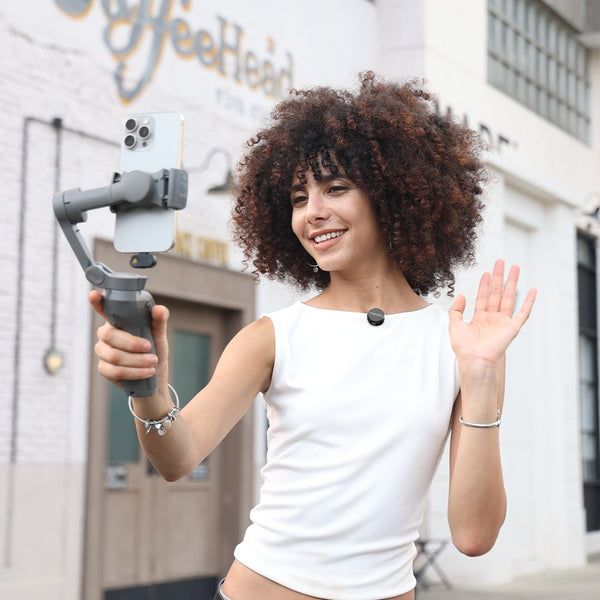
Capturing high-quality audio is one of the most important requirements for any recording, especially if you’re a beginner starting your podcasting journey. While content and storytelling matter, poor audio can immediately turn listeners away. One of the biggest decisions new podcasters face is choosing the right microphone—specifically between wired microphones and wireless microphones. For beginners, selecting the best inexpensive podcast microphone or even choosing an inexpensive podcast microphone that still sounds professional can feel overwhelming.
Each type offers its own strengths, limitations, and unique advantages depending on your setup and recording style. In this guide, we’ll compare wired and wireless microphones in depth and recommend some of the best options you can consider. By the end, you’ll know exactly which mic suits your podcasting needs and what factors truly matter before making a purchase when searching for the best microphone for a podcast or the right microphone for podcasts in general.
Wired Microphones for Podcasting
Wired microphones are traditionally the go-to choice for podcasters. They offer reliability, consistent audio, and minimal risk of interference. For those on a tight budget, many wired models are ideal if you’re looking for the best inexpensive podcast microphone without sacrificing quality. Here are three excellent wired microphones widely used by beginners and intermediate podcasters.
Top 3 Wired Microphones for Podcasting
1. Audio-Technica AT2020
A classic beginner-friendly condenser microphone, the AT2020 delivers clear, detailed audio with a smooth frequency response. It’s ideal for podcasters recording in a controlled indoor environment and offers a professional sound at an affordable price—great for anyone looking for an inexpensive podcast microphone that still performs well.
2. Shure SM58
Known as one of the most durable dynamic microphones ever made, the SM58 is robust, versatile, and excellent at rejecting background noise. It’s perfect for podcasters who record in less-than-ideal rooms, busy homes, or untreated spaces.
3. Rode PodMic
Designed specifically for broadcast and podcast use, the PodMic offers warm, rich vocal quality. Its built-in pop filtering and sturdy metal build make it an excellent choice for podcasters seeking a professional sound without requiring extra accessories. As an XLR podcast microphone, it pairs well with audio interfaces and offers a clean, natural tone.
Pros and Cons of Using a Wired Microphone
Wired mics offer dependability, but they also come with trade-offs. Here’s a closer look at the benefits and limitations.
Pros of Wired Microphones
-
Stable and consistent audio quality
Since signals travel through a physical cable, interference is almost non-existent.
-
No batteries required
Wired mics don’t depend on charging or battery life.
-
Lower latency
Ideal for live podcasting, real-time monitoring, or streaming sessions.
Cons of Wired Microphones
-
Limited mobility – You’re physically connected to your recording device.
-
Cable management issues – Tangling or clutter can occur in small setups.
-
Less flexible for dynamic movement – Standing, walking, or multi-camera video podcast setups are harder to manage.
Wireless Microphones for Podcasting
Wireless microphones have become increasingly popular thanks to improved audio technology, long-range transmission, and the freedom they offer. Many modern podcasters who film video episodes lean towards wireless systems for convenience.
Below are some of the best wireless microphone options for podcasters today.
Recommended Wireless Microphones:
1. Maono PD200W – Best for Desktop or Handheld Use

The Maono PD200W is one of the most advanced wireless podcasting microphones available today. Designed for creators who want to eliminate cables without sacrificing audio quality, this mic comes packed with performance-driven features.
Features of the Maono PD200W:
-
Wireless Triple-Mode Transmission
Offers 2.4GHz digital, USB, and XLR connection modes, ensuring stable, low-latency audio across different devices. -
AI Noise Cut Technology
This intelligent noise reduction system filters out background noise such as fans, street sounds, and room echo. Result: cleaner, podcast-ready audio, even in untreated spaces. -
Cable-Free, Minimalist Setup
Perfect for creators who want a clean desk layout or record while moving around. -
Compatibility
Works with smartphones, cameras, laptops, and audio interfaces, making it versatile for podcast recording, streaming, and vlogging.
The PD200W is ideal for handheld, desktop, and video podcast setups—especially for creators who want mobility while still achieving broadcast-quality sound.
2. Maono Wave T5 – Best Wireless Lavalier Microphone

The Maono Wave T5 is made for podcasters who prefer a small, clip-on microphone. Lavalier mics are perfect for interviews, outdoor recordings, and mobile podcast setups.
Why It Works for Podcasters:
-
Compact and easy to hide in clothing
-
Clear voice pickup with built-in noise reduction
-
Great for hands-free podcasting and video interviews
3. Maono Wave T1 Mini – Ultra-Portable Wireless Lavalier Mic

For beginners who want something lightweight, budget-friendly, and effortless to use, the Wave T1 Mini is an excellent choice.
Highlights:
-
Extremely compact transmitter and receiver
-
Stable wireless connection
-
Plug-and-play on smartphones and cameras
-
Clean, crisp audio for podcasts, vlogs, and short-form content
Pros and Cons of Using a Wireless Microphone
Wireless microphones bring freedom and flexibility, but it’s essential to know their advantages and limits.
Pros of Wireless Microphones
-
Complete mobility – Move freely during recording or video podcasts.
-
Cleaner, cable-free setup – Ideal for creators who want a modern workspace.
-
More versatile – Useful for both seated podcasts and on-the-go recording.
Cons of Wireless Microphones
-
Battery dependence – Requires regular charging.
-
Potential interference – Low-quality wireless systems may pick up static or drops.
-
Higher cost – Good wireless systems tend to be more expensive than wired options.
Frequently Asked Questions
1. Which microphone is better for podcasting—wired or wireless?
It depends on your needs.
-
Choose wired if you want consistent audio quality, no latency, and no charging requirements.
-
Choose wireless if you prioritize mobility, video podcasting, or a clutter-free setup.
Both can produce excellent audio, especially with modern wireless systems like the Maono PD200W, which delivers pro-quality sound without cables.
2. Do wireless microphones offer the same sound quality as wired mics?
High-quality wireless mics—particularly digital 2.4GHz systems—can match the clarity of wired microphones. Models like the PD200W even include AI Noise Cut, enhancing clarity beyond some wired beginner mics.
However, cheap wireless mics may struggle with consistency or noise.
3. Are wired microphones more reliable for long recording sessions?
Yes. Wired microphones provide continuous recording without worrying about battery levels or potential dropouts. If you’re recording hour-long episodes and want guaranteed stability, wired mics are a safe choice.
4. Does wireless audio introduce delay or latency?
Wireless mics may introduce slight latency, but modern systems have improved drastically. For example, the PD200W’s digital transmission ensures extremely low latency suitable for podcasting, streaming, and video recording.
5. Do wireless microphones pick up more interference?
Older wireless systems were more prone to interference, but today’s digital wireless systems—especially those operating on 2.4GHz—offer stable, clean transmission. High-quality models like the Maono PD200W feature anti-interference technology to keep your audio clean.
However, wired microphones still offer the most interference-free experience.
Conclusion: What Should You Consider When Choosing Between Wired and Wireless Mics?
Selecting between wired and wireless microphones ultimately depends on your recording style, environment, and technical preferences. If you prioritize flawless stability, no latency, and longer sessions, a wired microphone—especially a hybrid/XLR podcast microphone—may be your best option. However, if you prefer flexibility, clean desk space, and modern podcast production, a wireless microphone like the Maono PD200W offers outstanding convenience and performance.
Consider the following factors when making your choice:
-
Your recording environment (quiet vs noisy, stationary vs mobile)
-
Your podcasting style (video, interviews, solo talk, mobile content)
-
Your equipment compatibility
-
Your budget
-
Your preference for mobility vs stability
Both wired and wireless microphones can help you achieve professional-quality audio. What matters most is choosing the one that complements your workflow, enhances your comfort, and supports your creative goals.
Whether you choose the reliability of a wired mic or the freedom of a wireless one, your podcast can achieve excellent sound with the right setup.