

One of my New Year’s resolutions is to take care of a new pet, and I have chosen the beautifully colored guppies. I’m new to this, so I’ve been doing some research on how to care for them and help them thrive in my 5-gallon tank. As a pet lover, I want to learn more and share my experience in taking care of these pretty little creatures.
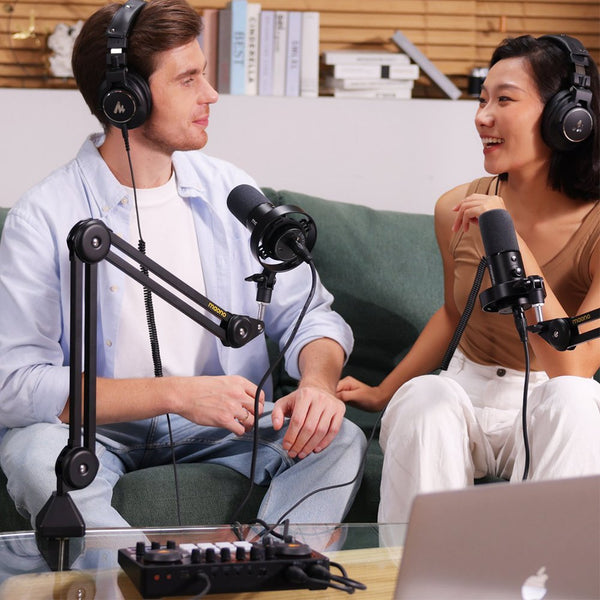
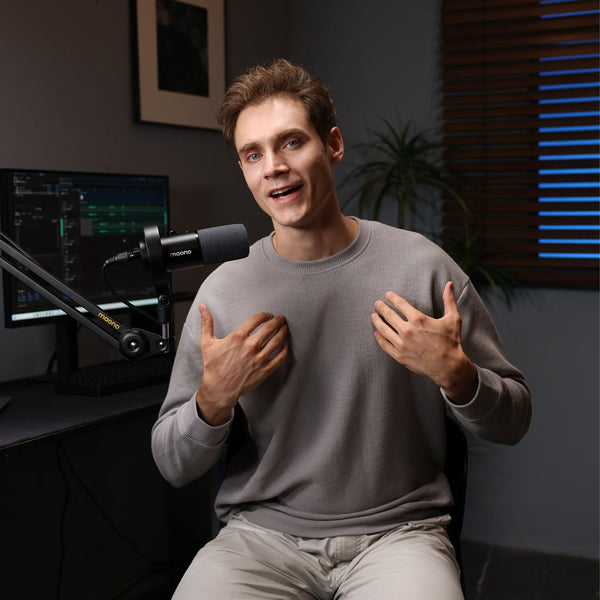
As a content creator, it’s important that my videos have clear visuals as well as high-quality audio. For beginners like me, I recommend using the Maono Wave T5 wireless microphone or the Maono Wave T1 Mini for recording videos.
Let’s learn together and discover how to properly care for guppies and maintain their tank. Let’s get started!
Starting a new hobby often comes with excitement and a steep learning curve, and guppy keeping is no exception. Guppies are among the most popular freshwater fish thanks to their vibrant colors, peaceful nature, and relatively easy care requirements. At the same time, many beginners want to document their journey, share tips, and connect with other hobbyists through video content. This is where learning about the basics of aquarium vlogging becomes especially useful, especially when using a clip on lavalier microphone to keep your hands free while filming.
In this guide, you’ll learn not only how to care for guppies properly but also how to record clear, engaging aquarium and pet vlogs. From tank setup and feeding to grooming, breeding, and audio recording, this article combines fishkeeping fundamentals with beginner-friendly vlogging advice, including choosing an affordable Lavalier microphone that still delivers reliable sound quality.
Origin of Guppies

Guppies (Poecilia reticulata) are one of the most popular freshwater fish in the world, originally native to northeastern South America, including countries such as Trinidad and Tobago, Venezuela, Guyana, and Brazil. They naturally thrive in warm, slow-moving streams, ponds, and rivers, which explains their adaptability and resilience in home aquariums. Over time, guppies were introduced to other parts of the world for mosquito control, further proving their hardy nature and ease of care.
Starting a new hobby often comes with excitement and a steep learning curve, and guppy keeping is no exception. Their vibrant colors, peaceful behavior, and relatively low maintenance make them an excellent choice for beginners. At the same time, many new guppy keepers enjoy documenting their journey, sharing care tips, and connecting with fellow hobbyists through aquarium vlogging. By understanding where guppies come from and how they naturally live, you can better replicate their environment at home—while creating engaging, educational content along the way.
Now let's find out what's the ideal tank size for guppies.
Ideal Tank Setup for Healthy Guppies
A proper tank setup is the foundation of healthy guppies. For beginners, a 5- to 10-gallon tank is ideal. While guppies are small, they are active swimmers and need space to thrive.
Elements of a good setup include:
-
Filtration: A gentle filter keeps water clean without stressing fish.
-
Heater: Maintain a stable temperature between 22–28°C (72–82°F).
-
Substrate and décor: Fine gravel or sand, live plants, and hiding spots reduce stress.
-
Lighting: Moderate lighting enhances guppy colors and supports plant growth.
A clean, well-organized tank not only keeps guppies healthy but also looks great on camera for aquarium vlogs, especially when paired with a professional Lavalier microphone that ensures your narration is clear and consistent.
Feeding Guppies: Diet, Schedule, and Nutrition
Guppies are omnivores and thrive on a varied diet. High-quality flake or micro-pellet food should be their staple, supplemented with live or frozen foods like brine shrimp or daphnia.
Feeding tips:
-
Feed small portions 1–2 times a day.
-
Only give what they can eat in 2–3 minutes.
-
Avoid overfeeding, which leads to poor water quality.
Proper nutrition enhances color, boosts immunity, and keeps guppies active—perfect for lively vlog footage recorded with the best Lavalier microphone wireless option for clear movement-friendly audio.
Water Quality & Maintenance for Guppy Tanks
Clean water is essential for guppy health. Regular maintenance prevents stress and disease.
Best practices include:
-
Weekly 20–30% water changes
-
Using a water conditioner to remove chlorine
-
Monitoring pH levels (6.8–7.8)
-
Testing ammonia, nitrite, and nitrate levels
Consistent maintenance keeps the tank crystal clear, improving both fish health and video clarity when filming aquarium updates on your phone using a Lavalier microphone for android setup.
Common Guppy Diseases and How to Prevent Them
Even with good care, guppies can get sick. Common issues include ich, fin rot, and fungal infections.
Prevention tips:
-
Quarantine new fish before adding them to the tank
-
Keep water parameters stable
-
Avoid overcrowding
-
Feed a balanced diet
Early signs of illness include clamped fins, loss of color, unusual swimming, and white spots. Clear audio explanations recorded with a professional Lavalier microphone help viewers better understand these warning signs.
How to Groom a Guppy

Guppy grooming doesn’t involve handling the fish but focuses on maintaining their environment and appearance.
Guppy Grooming: Fin Health, Color Care & Stress Reduction
Healthy fins and vibrant colors are signs of good grooming. To achieve this:
-
Keep water clean and well-oxygenated
-
Remove sharp décor that may tear fins
-
Provide a stress-free environment with hiding spots
Low stress helps guppies display brighter colors, making your aquarium more visually appealing on camera while you explain care tips hands-free with a clip on lavalier microphone.
Breeding Guppies: Tips for Healthy Fry
Guppies are livebearers and breed easily. For healthy fry:
-
Use a separate breeding tank or breeder box
-
Provide dense plants for fry to hide
-
Feed crushed flakes or fry food
Maintaining excellent water quality is crucial, as fry are more sensitive than adults. Breeding updates are ideal short-form content recorded with an affordable Lavalier microphone that still sounds professional.
Filming Aquarium & Pet Vlogs: Camera and Lighting Basics
When filming aquariums, clarity matters. Position your camera level with the tank to reduce distortion. Use soft, indirect lighting to avoid reflections and glare on the glass.
Tips for better visuals:
-
Turn off room lights to reduce reflections
-
Clean the glass before filming
-
Use a tripod for stable shots
Good visuals paired with clear audio—especially from the best Lavalier microphone wireless—create professional-looking content, even for beginners.
Using Wave T5 for Clear Voice Recording in Vlogs
Clear audio is just as important as sharp visuals. The Wave T5 wireless microphone is ideal for home aquarium vlogging. It captures clean vocals while reducing background noise from filters and air pumps.
Benefits of Wave T5 include:
-
Wireless convenience
-
Consistent audio quality
-
Easy setup for beginners
It works well for voiceovers and talking-head segments filmed near your tank.
Wave T1 Mini Setup for Mobile & Home Aquarium Vlogging
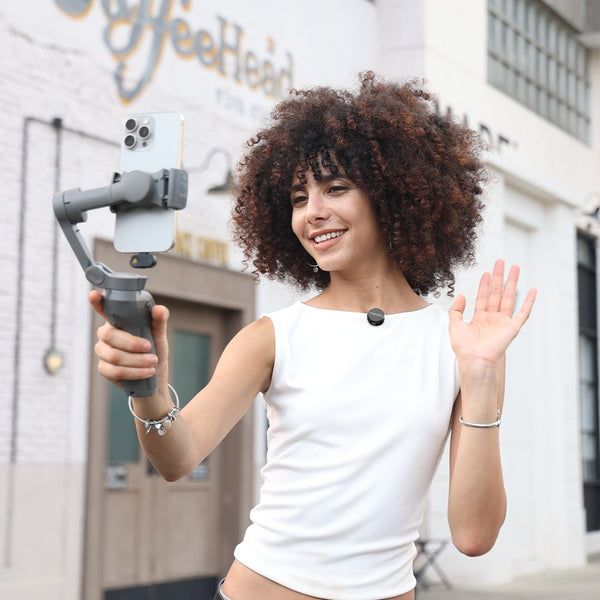
For creators who prefer mobility, the Wave T1 Mini is a compact, lightweight option. It’s perfect for hands-free recording while feeding fish, cleaning tanks, or filming close-up shots.
The Wave T1 Mini easily connects to smartphones and cameras, making it ideal for casual vlogging and short-form content, especially when used as a Lavalier microphone for android devices.
Wave T5 vs Wave T1 Mini for Vlog Recording
Choosing between the two depends on your needs:
-
Wave T5: Better for stationary setups, voiceovers, and longer videos
-
Wave T1 Mini: Ideal for mobile, hands-free, and quick recordings
Both offer beginner-friendly features, making them suitable for new YouTubers and vloggers.
Frequently Asked Guppy Care Questions
What tank size is best for beginners keeping guppies?
A 5- to 10-gallon tank is ideal for beginners.
How many guppies can live comfortably in one aquarium?
A general rule is 1 guppy per gallon, with extra space preferred.
What water temperature and pH do guppies need?
They thrive at 22–28°C with a pH of 6.8–7.8.
How often should guppies be fed each day?
Once or twice daily in small portions.
Can guppies live with other fish species safely?
Yes, with peaceful tank mates like mollies or tetras.
How often should I clean the tank?
Partial water changes weekly and light cleaning as needed.
What are the signs of illness in guppies?
Loss of color, clamped fins, unusual swimming, or visible spots.
More Vlogging Aquarium FAQs:
How do I record clear audio while filming an aquarium vlog?
Use a wireless mic like Wave T5 or Wave T1 Mini and position it close to your mouth.
Is Wave T5 good for recording voiceovers at home?
Yes, it delivers clean, consistent audio for indoor recordings.
How do I reduce background noise from filters and air pumps?
Lower filter flow, place the mic closer, and record in a quiet room.
Can I use Wave T1 Mini for hands-free guppy care vlogging?
Absolutely. Its compact design makes it ideal for active filming.
Conclusion
Combining fishkeeping with content creation is both rewarding and educational. By mastering guppy care—tank setup, feeding, grooming, and breeding—you ensure healthy fish and beautiful visuals. Pairing these basics with reliable audio tools, whether a professional Lavalier microphone or an affordable Lavalier microphone, helps you produce clear, engaging videos from day one. With the right care practices and recording setup, aquarium vlogging becomes an enjoyable way to learn, share, and grow alongside your guppies.