




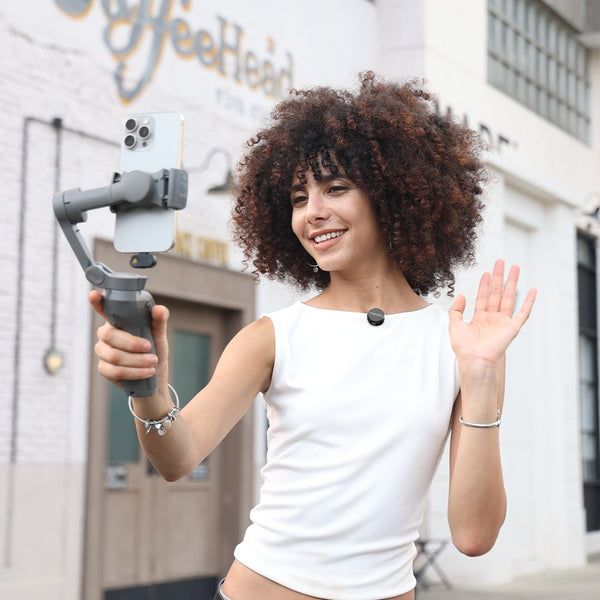
The microphone you choose is crucial to achieving a successful performance for your podcast, game, or streaming setup. The wrong microphone can result in muffled sound, background noise, or technical difficulties that disrupt your content. Among the many microphone options available today, wireless microphone systems have become the go-to choice for both professionals and beginners. Two of the most popular options are handheld wireless mics and wireless lavalier microphones or wireless microphones.
Both types of cordless microphones offer convenience and flexibility by eliminating the need for cables. However, they serve different purposes and have their own advantages and drawbacks.
With several options available in the market, this article would explore specifically two type of microphones:
-
A handheld, desktop wireless microphone
-
A wireless Lavalier microphone
This guide compares their pros and cons, use cases, and budget-friendly options to help you choose from the best cordless mic systems for your needs.
What Are Cordless Microphones and How Do They Work?
A cordless microphone—often categorized under digital wireless microphones—uses a radio transmitter to send audio signals wirelessly to a receiver, removing the need for physical cables. This setup allows greater freedom of movement and flexible placement for video production, live events, presentations, gaming, and streaming syncmic.com).
Modern wireless microphone systems typically operate on UHF or 2.4GHz frequencies and are designed to minimize latency, signal dropouts, and interference.
Also read about: Lavalier mic placement and techniques
The Difference Between Handheld Wireless Microphones and Lavalier Wireless Microphones (or cordless microphones)
Before diving into the pros and cons of each type, let’s define the basic differences between them:
-
Handheld Wireless Microphone
A handheld wireless microphone is a traditional microphone designed to be held or mounted on a stand—but without cables. These handheld wireless mics connect wirelessly to a receiver, offering better control over mic positioning and sound pickup.
-
Lavalier Wireless Microphone
Also known as cordless lapel microphones or cordless lavalier microphones, these are small clip-on microphones attached to clothing near the chest. They connect wirelessly to a transmitter, providing hands-free operation and a discreet on-camera appearance.
Pros and Cons of Lavalier Wireless Microphones
Pros:
✅ Hands-Free Operation – A wireless lavalier mic allows for complete freedom of movement, making it ideal for presenters, speakers, and performers.
✅ Discreet and Professional Look – Wireless lavalier microphones are small and unobtrusive on camera.
✅ Consistent Audio Capture – Since the microphone lavalier is clipped onto clothing near the mouth, it maintains consistent volume regardless of movement.
Cons:
❌ Susceptible to Clothing Rustle and External Noise – If not positioned properly, a wireless Lavalier lapel microphone may pick up unwanted sounds like clothing friction.
❌ Limited Control Over Sound – Since it's positioned at a fixed location, users can’t move it closer or farther to adjust volume dynamically.
❌ Battery Dependency – Monitoring power is important, especially when comparing cordless mic battery life comparison between models.
Pros and Cons of Handheld Wireless Microphones
Pros:
✅ Superior Sound Quality – Handheld microphones, particularly dynamic ones, provide excellent clarity and reduce ambient noise.
✅ Better Noise Control – The user can adjust mic positioning to avoid picking up background noise.
✅ Versatile for Different Uses – Great for speeches, interviews, music performances, and streaming.
Cons:
❌ Requires Hand-Holding or a Stand – Some users may find it inconvenient to hold a mic for extended periods.
❌ Less Discreet for Video Recording – Since it’s visible in the speaker’s hand, it may not be ideal for on-camera interviews or presentations.
❌ Range Limitations – Some models may face cordless mic range & interference issues in crowded RF environments.
How to Choose the Right Microphone
Use Case Scenarios for Lavalier vs. Handheld Wireless Microphones
Each microphone type excels in different scenarios. Below are examples of when you should choose one over the other:
|
Use Case |
Lavalier Wireless Microphone |
Handheld Wireless Microphone |
|
Public Speaking & Lectures |
✅ Hands-free operation allows natural gestures |
✅ Ideal if the speaker prefers holding a mic |
|
Podcasting & Streaming |
✅ Good for solo content creators or interviews |
✅ Provides superior sound control for hosts |
|
Fitness & Live Training |
✅ Unrestricted movement for instructors |
❌ Not ideal for active users |
|
Stage Performances |
❌ May pick up rustling noise from movements |
✅ Best for singers & performers |
|
Interviews & Video Production |
✅ Discreet & professional on camera |
❌ Can be intrusive in video |
|
Gaming & Online Streaming |
✅ Hands-free for convenience |
✅ Provides clearer sound for live streams |
Factors to Consider When Choosing a Wireless Microphone
-
Audio Quality
Wireless Lavalier lapel microphones are great for clear voice capture but may pick up ambient noise. Handheld mics offer better noise rejection.
-
Mobility Needs
For movement-heavy content, cordless lavalier microphones are ideal.
-
Budget
High-quality microphones come at different price points. Beginners should look for affordable options that still offer reliable performance. Entry-level creators can find affordable wireless microphone systems with excellent performance.
-
Battery Life
Both types require power, but handheld wireless microphones tend to have longer battery life than lavalier models. Always check battery specs—especially when doing a cordless mic battery life comparison between models.
Best Budget Wireless Microphones for Beginners
If you’re looking for an affordable yet high-quality wireless microphone, here are two great budget options:
1. Maono Wave T5 - Best Budget Lavalier Wireless Microphone

The Maono Wave T5 - A compact option among cordless lapel microphones, designed for content creators.
⭐ Features:
-
Lightweight and discreet clip-on design
-
Wide wireless range with stable connection
-
Low-latency transmission for real-time streaming
-
Noise cancellation for crisp audio
✅ Best for: Public speaking, vlogging, fitness instructors, YouTubers, and content creators.
2. Maono DM40 - Best Budget Handheld Wireless Microphone

The Maono DM40 - is one of the most reliable handheld wireless mics for beginners.
⭐ Features:
-
High-fidelity sound with noise reduction
-
Durable construction with long battery life
-
Ideal for streaming, podcasting, and live performances
-
Wireless connectivity with minimal latency
✅ Best for: Podcasters, streamers, singers, public speakers, and live performers.
How to Reduce Background Noise When Using a Wireless Microphone
No matter which microphone you choose, these wireless mic setup tips help improve sound quality:
Wireless Mic Setup Tips to Reduce Background Noise
✔ Use a Windscreen or Pop Filter: Helps reduce breathing and plosive sounds.
✔ Adjust Mic Positioning: Place the microphone Lavalier in an optimal position to capture clear sound while avoiding fabric rustling (for lavaliers).
✔ Use Noise-Canceling Features: Many wireless Lavalier lapel microphones come with built-in noise reduction.
✔ Control Your Environment: Reduce echo by using sound-absorbing materials in your recording space.
FAQs:
What are the advantages of cordless microphones over wired?
Cordless microphones give you freedom of movement without cables, making them ideal for presenters, performers, and dynamic recordings. They offer a cleaner setup with no cable clutter and let you position yourself or your camera more freely during videos or live events.
How do cordless microphones work?
Cordless microphones use a wireless transmitter and receiver to send audio signals via radio frequency to your recording device without a cable. The transmitter (in the mic or lavalier pack) sends audio to the receiver connected to your camera, mixer, or recorder.
Which cordless microphone is best for outdoor recording?
For outdoor recording, choose a system with strong signal range and reliable RF performance, such as the Godox MoveLink II M2 Compact 2‑Person Wireless Microphone System or the Boya BY-WM3T2-D2 Wireless Microphone. These offer stable connectivity and clear audio for interviews, vlogging, and on-location shoots. Of course, the Wave T5 is recommended for outdoor recording for it has a feature of noise reduction.
Are cordless lavalier microphones better for video?
Yes — cordless lavalier mics are often better for video because they are discreet, hands-free, and close to the speaker’s mouth, producing clear dialogue without visible cables. This makes them especially useful in interviews, vlogs, tutorials, and presentations. Maono Wave T5, passed all of these requirements (and exceeds expectations) to ensure voice capture is as clear as it sounds.
Conclusion
Choosing between a handheld wireless microphone and a wireless lavalier mic depends on your specific needs. If you need hands-free operation for public speaking, interviews, or video content, a wireless lapel mic is the best choice. However, if you prioritize sound quality and control, especially for singing, podcasting, or streaming, a handheld wireless microphone is the better option.
For beginners, budget-friendly models like the Maono Wave T5 and Maono DM40 provide excellent performance without breaking the bank. By considering your use case, budget, and recording environment, you can make an informed decision and enhance the quality of your audio recordings.
Whichever microphone you choose, investing in a high-quality wireless microphone will significantly improve your sound clarity and overall experience.