

Your recording microphone is more than just a tool—it's the key to capturing the essence of your voice, the clarity of your music, and the energy of your videos. Whether you're belting out vocals in a home studio or filming the next viral vlog, the right microphone can transform your sound from amateur to professional. Let's dive into the world of top recording microphones that will elevate your audio game, no matter the project.
A reliable recording microphone is essential, whether you're a musician recording vocals, a vlogger producing content, or a podcaster creating episodes. The right microphone captures clarity, minimizes distortion, and elevates the overall quality of your recordings. In this guide, we will explore the best microphones for songs, videos, and professional use, helping you understand how to make the right choice for your needs.
What Kind of Mic Is Good for Recording?
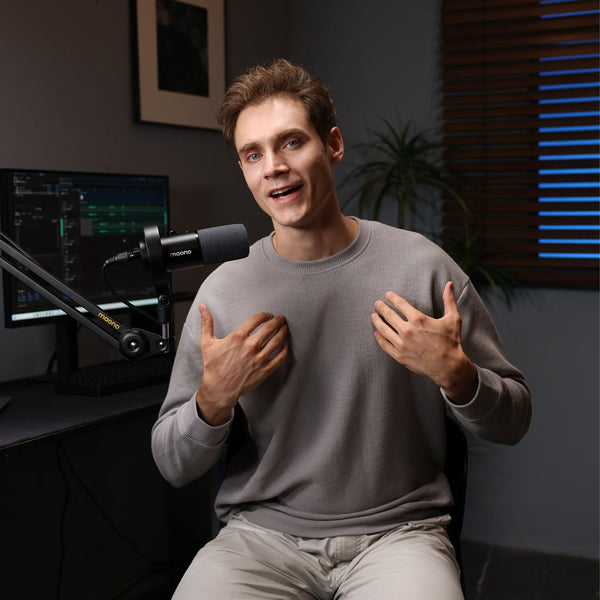
Choosing the right microphone for recording depends on what you are trying to capture. For vocals and musical instruments, condenser microphones are a popular choice due to their ability to capture rich, detailed sound. If you're recording vocals for a song, a large-diaphragm condenser microphone is often preferred for its sensitivity and ability to pick up nuances in a singer’s voice.
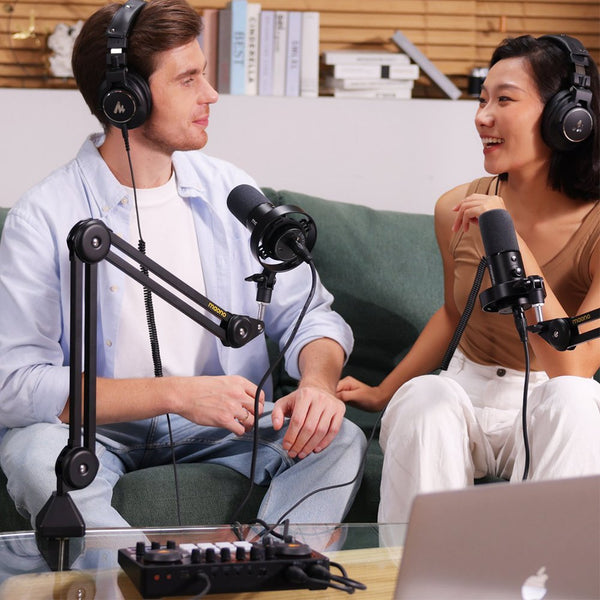
For general-purpose recordings such as podcasting or streaming, dynamic microphones are often used because they are more robust and less sensitive to environmental noise. However, the choice ultimately depends on the specific environment and requirements of your recording.
Which Mic Is Used for Video Recording?
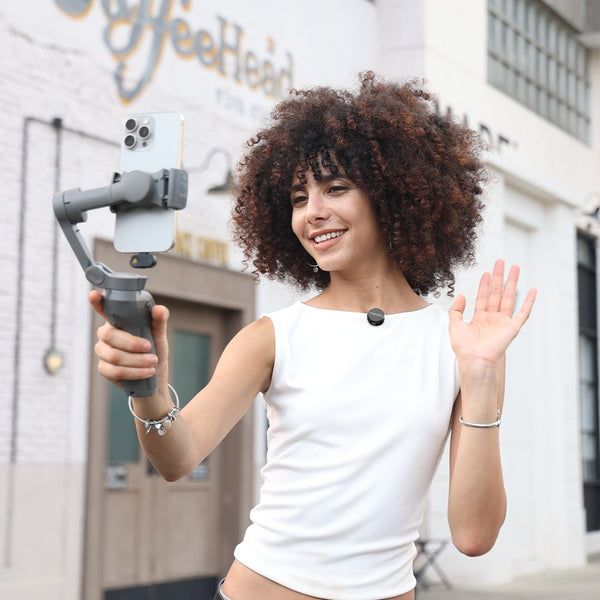
When it comes to video recording, different types of microphones can be used based on the context and environment. For interviews and vlogs, lavalier microphones (also known as lapel mics) are common because they can be easily clipped to clothing and provide clear audio without being obtrusive.
Shotgun microphones are also widely used in video production. These microphones are highly directional and are ideal for outdoor shoots or settings where the subject may be far from the camera.
What Are the Different Types of Microphones for Video?
When considering microphones for video recording, it’s important to understand the various types and how they are suited to different purposes. Here’s a breakdown of the main types:
Dynamic Microphones
Dynamic microphones are sturdy and are best for capturing sound in live settings or environments with a lot of background noise. They are less sensitive than condenser mics but can handle high sound pressure levels (SPL) without distortion. These are ideal for on-location video recordings where environmental noise is a concern, such as concerts or interviews in crowded spaces.
Condenser Microphones
Condenser microphones are much more sensitive and are often used in controlled environments like studios. They offer a broader frequency response, making them perfect for capturing detailed sound, especially vocals and acoustic instruments. However, their sensitivity makes them less suitable for noisy outdoor shoots.
Lavalier Microphones
Lavalier microphones are small, clip-on mics often used in interviews and vlogs. They are unobtrusive and capture sound close to the subject, which reduces background noise. Lavalier mics are widely used in film and television because of their portability and ease of use.
Wireless Microphones for Singing
Best Wireless Microphones for Singing – Top Picks for 2026
If you’re seeking the best wireless microphones for singing—whether for live performances, studio recordings, or content creation—today’s wireless singing mic systems offer impressive sound quality, reliable signal stability, and freedom of movement. From stage-ready handheld models to compact lavalier options, choosing the right wireless microphone system for singing performance allows you to focus fully on your vocals and stage presence.
Top Wireless Microphone Picks
Shure BLX24/PG58 Wireless Microphone System
-
Type: Handheld wireless system
-
Pros: Solid sound quality tailored for vocals, long range (up to ~300 ft), easy setup
-
Cons: Slight handling noise if not held steadily
-
Best for: Live vocals, bands, and anyone needing a dependable stage wireless microphone for singing
Sennheiser EW 100 G4 Series Wireless Microphone
-
Type: UHF wireless handheld system
-
Pros: Excellent vocal clarity, strong RF stability, long battery life
-
Cons: Higher price than basic options
-
Best for: Touring artists and performers needing a professional wireless mic for singing
Audio-Technica System 10 ATW-1102
-
Type: Digital wireless system
-
Pros: Affordable, clear digital sound, simple plug-and-play operation
-
Cons: Range and feature set are more modest
-
Best for: Beginners and small venues looking for a reliable wireless vocal mic for singers
AKG WMS470 Wireless Vocal System
-
Type: Dual wireless handheld set
-
Pros: Dual-channel support, excellent range, cardioid pattern for focused vocals
-
Cons: Higher price
-
Best for: Duets and larger performances needing a stable wireless performance vocal mic
Rode Wireless GO II + Lavalier Setup (Combo)
-
Type: Wireless clip-on transmitter system
-
Pros: Ultra-compact, dual channel for two mics, versatile connection options
-
Cons: Lavalier may pick up clothing rustle if not positioned carefully
-
Best for: Mobile singers, vloggers, and creators needing a discreet wireless lavalier mic for vocals
Bonus Budget & Portable Options
-
Hollyland LARK M2 Wireless Lavalier Microphone Combo – A compact option for creators exploring wireless singing mic systems on a budget.
-
BOYALINK A1/A2 Wireless Microphone – Great affordable choice with noise cancellation.
-
NANK Mike Pro Portable Lapel Microphone Wireless – Wide transmission range and portable design.
-
Dual Wireless Microphone System Choose Headset Handheld Lavalier – A flexible wireless microphone system for singing performance and presentations.
Quick Tips for Singing Use
-
A wireless handheld mic for singers is ideal for expressive stage performances and crowd interaction.
-
Lavalier and compact systems (like the Wireless GO II) offer mobility and discreet placement, ideal for video recordings or solo performances.
-
Dual systems let you manage more complex setups (e.g., duet singing or multi-performer events).
Choosing the right wireless microphone system for singing performance depends on your venue size, performance style, and budget—whether you need a rugged stage wireless microphone for singing or a compact lavalier solution for on-camera vocals (Maono).
How to Choose the Best Wireless Microphone for Singing
Selecting the right professional wireless mic for singing goes beyond brand recognition. To achieve clean, expressive vocals in live and recorded settings, consider the following factors.
Sound Quality Factors
A great wireless vocal mic for singers should have a balanced frequency range to capture both low and high notes naturally while minimizing background noise and handling sounds.
-
Frequency Range: Look for a wide and flat frequency response to capture both low and high vocal tones naturally.
-
Noise Handling: A quality system minimizes hiss, pops, and background noise, so your singing stays clear and focused.
Range and Signal Stability
Wireless mics rely on strong radio signals to deliver consistent audio.
-
Range: Consider where you’ll be performing. Larger venues require a system with a longer effective range to avoid dropouts.
-
Stability: Digital systems or UHF/VHF solutions provide more reliable connections in crowded signal environments.
Latency and Live Performance Needs
Low latency is essential for live singing. A quality wireless performance vocal mic ensures your voice stays perfectly synced with music and visuals.
-
For live singing and performances, choose systems with very low latency so your vocals sync naturally with the music and visuals.
Battery Life
Nothing disrupts a performance like a dying mic.
-
Check battery life ratings and choose mics with long runtimes or rechargeable options, especially for extended gigs or recording sessions.
Lavalier vs. Handheld vs. Headset Systems
Your performance style affects the best microphone form factor for you:
-
Lavalier (Clip-On): Great for mobility and video content; ideal when you need your hands free but still want clear vocals.
-
Handheld: Traditional choice for singers on stage; comfortable to hold and expressive in live settings.
-
Headset: Perfect for performers who move a lot or dance, offering consistent vocal pickup with minimal handling noise.
Considering these essentials—sound quality, range, latency, battery life, and system type—helps you choose a wireless microphone system that not only fits your singing style but also delivers reliable, pro-level performance whether you’re on stage or in front of the camera.
Why Is It Important to Know About Proper Placement of Microphones When Recording?
Microphone placement plays a critical role in the quality of the recording. A poorly positioned microphone can result in distorted, muffled, or overly quiet recordings. When recording vocals or instruments, the microphone’s distance and angle from the sound source directly impact the clarity and richness of the sound. For example, placing a condenser microphone too close to a singer can result in unwanted popping sounds from plosives, while placing it too far may capture more room noise.
In video recording, especially with Lavalier and shotgun mics, positioning ensures that the microphone captures the speaker’s voice clearly without picking up too much background noise. Knowing the proper placement can significantly improve audio quality, regardless of the type of microphone used.
Is It Important to Purchase Accessories for Wind Protection and Other Supporting Equipment to Get the Best Results for Your Recording Microphone?
Absolutely. Supporting equipment like pop filters, shock mounts, and wind protectors can significantly improve the quality of recordings. Pop filters reduce plosive sounds that can cause distortion in vocal recordings. Shock mounts help to eliminate unwanted vibrations from reaching the microphone, which can result in cleaner audio.
For outdoor video shoots, wind protectors, or "dead cats," are essential to prevent wind noise from overpowering the recorded audio. These accessories, although minor, are vital for professional-quality results and should not be overlooked.
8 Best Microphones for Recording a Vlog and Singing
Here are eight of the best microphones for recording. These top choices are perfect for recording both vlogs and singing:
1. Maono PM450

The Maono PM450 USB Condenser Microphone is a plug-and-play studio mic designed for clear, professional vocals in recording, podcasting, and streaming. It features a cardioid polar pattern, 24-bit/48kHz audio quality, and built-in DSP support via Maono Link software for noise reduction and sound customization. With an all-metal build, touch-mute button, zero-latency monitoring, and included boom arm; it’s a complete and user-friendly recording solution.
2. Maono PM422
The PM422 is the best recording vocal microphone, and is a step up from the A04, offering professional-grade sound with enhanced sensitivity and a cardioid polar pattern to reduce background noise. Its touch-sensitive mute button and gain control make it an excellent choice for video creators who need quick control over audio.
3. Audio-Technica AT2020
A highly versatile condenser microphone that excels at capturing vocals and instruments. Its affordability combined with its outstanding performance makes it a favorite among podcasters and singers.
4. Rode NT1-A
Known for its extremely low self-noise, the Rode NT1-A is ideal for studio recordings, particularly vocals and acoustic instruments. It delivers a clear, crisp sound that’s perfect for professional-level music recordings.
5. Blue Yeti USB
The Blue Yeti is an all-around favorite for vloggers, streamers, and podcasters. It offers multiple polar patterns, including cardioid, bidirectional, and omnidirectional, making it versatile for different recording scenarios.
6. Shure SM7B
A dynamic microphone known for its rich sound quality and durability, the Shure SM7B is perfect for vocal recordings and broadcasting. Its noise-reduction capabilities also make it a go-to for vloggers and podcasters.
7. Sennheiser MKE 600
A shotgun microphone that excels in video recording, especially in outdoor settings. It’s directional and cuts out a lot of background noise, making it great for professional video creators who need high-quality sound capture in varied environments.
8. Maono WM821

The Maono WM821 is a wireless lavalier microphone with a 20Hz-20kHz frequency response and an omnidirectional polar pattern, ideal for capturing sound from all directions. It features 2.4GHz wireless connectivity for stable transmission and a range of up to 50 meters. Notable features include noise reduction, real-time monitoring, and compatibility with smartphones, cameras, and computers, making it perfect for vlogging, interviews, and presentations.
FAQs:
1. What Is the Price Range for Maono Recording Microphones and Are They Good Value for Money?
Maono microphones typically range from $50 to $150, depending on the model and features. For example, the Maono A04 is often available for around $59.99, while the PM422 may cost about $99.99. Considering the sound quality, durability, and ease of use, Maono microphones are considered great value for money, especially for beginners or creators on a budget.
2. What Are Some Tips for Getting the Best Performance from a Maono Recording Microphone?
To get the best performance from a Maono microphone, ensure proper placement, typically 6-8 inches from the sound source for vocals. Use a pop filter to reduce plosives, and set the gain levels to avoid distortion. In addition, using a shock mount can minimize vibrations that may interfere with the recording.
3. Are Maono Recording Microphones Suitable for Recording Instruments as Well as Vocals?
Yes, Maono recording microphones, particularly the A04 and PM422, are versatile and suitable for recording both vocals and instruments. Their cardioid polar patterns allow them to focus on the sound source while minimizing background noise, making them great for acoustic guitar, piano, and other instruments.
4. What wireless microphone is best for singing performances?
For singing performances, look for systems that offer strong sound clarity, reliable range, and stable signal transmission. Handheld wireless systems like the Shure BLX24/PG58 are great choices because they pair a professional vocal mic with a robust wireless setup—ideal for live vocals with minimal dropouts. Entry-to-mid-level systems like the AKG WMS40 Mini Single Vocal Set also provide clear performance at more budget-friendly prices, making them solid picks for singers on smaller stages.
5. Are lavalier wireless microphones good for singing?
Yes, lavalier wireless microphones can work well for singing, especially when mobility and hands-free movement are important. They offer freedom of motion and clear pickup close to the mouth, which is useful for video performances or stage movement. Models like the NANK Mike Pro Wireless Lavalier Microphone deliver a discreet and practical setup for singers who prefer lightweight gear.
6. Wireless vs. handheld mics for vocal performance: What’s better?
Handheld wireless mics are typically preferred for live singing because they house larger capsules and deliver richer, more controlled vocal sound, while also offering intuitive grip and control on stage. Wireless lavaliers excel when performers need to move freely or focus on visual engagement (like in videos or musicals), though their sound can be slightly less full than handhelds. The best choice depends on your performance style—handheld for classic vocal projection, lavalier for mobility and visuals.
7. How much should I spend on a singing-ready wireless system?
Expect to invest more than basic content-creation mics if you want professional singing performance quality. Budget options can start around the mid-hundreds ($150–$300) with reliable performance, while mid-range to pro systems often range from $300 to $800+, offering stronger signal stability, better microphones, and longer battery life. Higher-end systems used by touring vocalists can exceed this range but deliver exceptional audio fidelity and robust RF performance.
Conclusion
Selecting the right microphone is essential for achieving professional-level audio quality, whether you're recording music, creating video content, or capturing podcasts. With a range of options available, from dynamic to condenser microphones, it’s crucial to choose that one studio recording microphone that suits your specific needs. Maono microphones, in particular, offer excellent value for both beginners and professionals alike. Understanding the different types of microphones and their ideal applications, along with proper placement and use of accessories, will ensure that your recordings stand out with clarity and precision.