




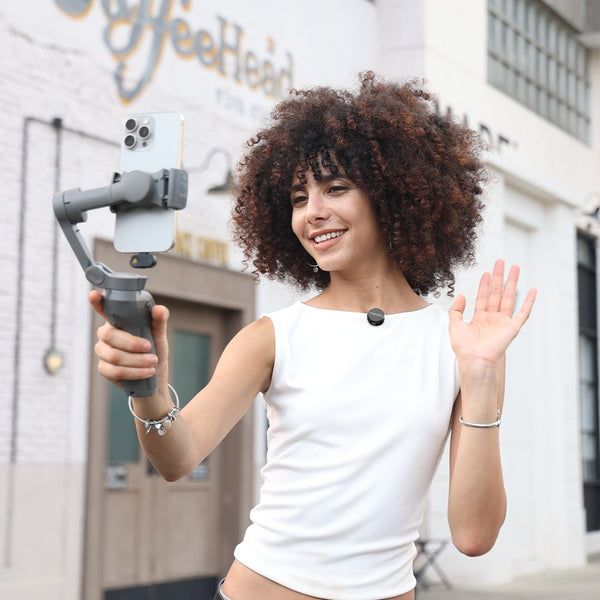
The Role of Bluetooth Technology in Wireless Microphones
Bluetooth technology has revolutionized wireless mic systems, making them more accessible, portable, and user-friendly. Unlike traditional RF (radio frequency) microphones that require dedicated frequencies and transmitters, a Bluetooth wireless microphone uses short-range wireless communication to connect directly to smartphones, tablets, computers, and other Bluetooth-enabled devices.
With Bluetooth, content creators, streamers, podcasters, and musicians can record and broadcast audio without bulky equipment or complicated setups. This technology is especially useful for vloggers, educators, and casual users who need a simple, wire-free solution, making it ideal as a Bluetooth mic for podcasting, online teaching, and mobile content creation.
This article explains how Bluetooth mic technology works and why it’s reshaping wireless audio recording.
How Do Bluetooth Wireless Microphones Work?
Bluetooth microphone systems (wireless) operate by transmitting audio signals over a 2.4 GHz frequency. Here’s how they function:
Sound Capture
The microphone picks up audio signals.
Conversion to Digital Signal
The sound is converted into a digital format by the microphone’s built-in processor.
Wireless Transmission
The Bluetooth module inside the microphone sends the audio signal to a paired device via Bluetooth.
Receiving and Processing
The paired device (e.g., a smartphone, laptop, or camera) receives the signal and processes it for playback or recording.
How Does a Wireless Mic System Work?
How does a wireless mic system work? A traditional cordless mic system typically includes:
-
A microphone (transmitter): Captures sound and converts it into an electrical signal.
-
A receiver: Connected to an audio system, it picks up the transmitted signal and outputs it for recording or amplification.
-
A transmitter module: Sends the signal via RF or Bluetooth.
Bluetooth microphones simplify this process by eliminating the need for a separate receiver. Instead, they connect directly to Bluetooth-enabled devices, making them more portable and easier to use.
What Is a Bluetooth Mic and How Is It Different?
A Bluetooth mic is a type of wireless microphone that uses Bluetooth technology to transmit audio directly to devices without a separate receiver. This makes setup easier and faster compared to traditional systems, highlighting a clear Bluetooth mic vs RF mic difference in convenience and portability.
Compared with traditional RF-based wireless microphones, Bluetooth mics are generally more compact and user-friendly. They’re ideal for everyday recording, vlogging, streaming, and podcasting. However, Bluetooth mics usually have a shorter Bluetooth microphone range—typically up to about 10 meters—while RF systems can reach much farther and deliver higher fidelity audio for professional use.
How to Use a Bluetooth Wireless Microphone Effectively
Using a Bluetooth microphone is straightforward, but for the best performance, follow these tips:
-
Ensure a Strong Connection - Keep your mic close to the paired device to stay within the recommended Bluetooth microphone range.
-
Charge the Battery - Bluetooth microphones rely on built-in batteries, so ensure they’re fully charged before use.
-
Use a Windscreen or Pop Filter - To reduce background noise and improve sound clarity, consider using a windscreen or pop filter.
-
Optimize Audio Settings - Adjust microphone sensitivity, volume levels, and noise cancellation features in your recording app or streaming software.
How Far Can a Bluetooth Wireless Microphone Transmit Sound?
Bluetooth microphones generally have a shorter range than RF-based wireless mics. Most Bluetooth models can transmit audio up to 33 feet (10 meters) in open spaces. However, walls, interference from other wireless devices, and Bluetooth version differences can impact performance.
For comparison, RF-based wireless microphones can reach distances of 300 feet (90 meters) or more, making them a better option for large venues and live performances.
How Do Bluetooth Wireless Microphones Compare to RF-Based Ones?
|
Feature |
Bluetooth Wireless Microphones |
RF Wireless Microphones |
|
Range |
10–33 feet (3–10 meters) |
Up to 300 feet (90 meters) |
|
Sound Quality |
Good, but compression may reduce quality |
Higher fidelity with less compression |
|
Latency |
May experience slight delay |
Minimal to no latency |
|
Interference |
Can be affected by Wi-Fi, phones, and other Bluetooth devices |
Less interference but requires frequency management |
|
Ease of Use |
Simple plug-and-play connectivity |
Requires a transmitter and receiver setup |
|
Best For |
Podcasts, vlogging, small presentations |
Live performances, large events, professional broadcasting |
If you need a wireless mic for iPhone or other mobile devices, a Bluetooth microphone is a convenient and affordable option. However, if you require long-range, real-time audio with zero latency, an RF-based microphone is the better choice.
Bluetooth Mic Practical Setup & Troubleshooting Tips
Setting up a Bluetooth mic is generally quick and beginner-friendly, but proper Bluetooth mic pairing is key to stable performance.
How to Pair a Bluetooth Mic to Devices
Start by fully charging your bluetooth mic, then power it on and enable pairing mode (usually by holding the power or pairing button). On your phone, tablet, or laptop, turn on Bluetooth, select the mic from the device list, and confirm the connection. Once paired, set the bluetooth mic as the default audio input in your recording or streaming app.
How to Reduce Bluetooth Interference
Bluetooth operates on the 2.4 GHz frequency, which can be crowded. To minimize interference, keep your mic within the recommended range, avoid placing it near Wi-Fi routers or other wireless devices, and disconnect unused Bluetooth accessories. Recording in an open space with a clear line of sight between the mic and device also helps maintain a stable signal.
To avoid signal drops, stay within the recommended Bluetooth microphone range, keep distance from Wi-Fi routers, and disconnect unused Bluetooth devices.
Tips to Improve Bluetooth Mic Sound Quality
For clearer audio, position the mic close to your mouth (about 6–8 inches), speak consistently, and use built-in noise cancellation features if available. Lower background noise, reduce echo in your room, and keep your device’s firmware and apps updated to ensure optimal bluetooth mic performance.
These simple setup and troubleshooting tips can significantly improve reliability and audio quality when using a bluetooth mic for recording, streaming, or content creation.
How to Pair a Bluetooth Wireless Microphone with an iPhone or Tablet?
Pairing a wireless microphone for iPhone or tablet is simple:
-
Turn on the microphone and set it to pairing mode.
-
Go to Settings > Bluetooth on your iPhone or tablet.
-
Select your microphone from the list of available devices.
-
Confirm pairing and start using the microphone for recording, streaming, or calls.
For the best results, ensure that the microphone’s firmware is up to date and that your device’s Bluetooth version is compatible.
Can a Bluetooth Wireless Microphone Work with a DSLR Camera?
Most DSLR cameras do not have built-in Bluetooth audio support. However, you can still use a Bluetooth microphone with a DSLR camera by using an external Bluetooth receiver or a smartphone as an audio recorder.
Method 1: Using an External Bluetooth Receiver
-
Plug the receiver into the DSLR’s 3.5mm mic input.
-
Pair the Bluetooth microphone with the receiver.
-
Start recording audio directly through the camera.
Method 2: Using a Smartphone as an Audio Recorder
-
Pair the Bluetooth microphone with a smartphone.
-
Record audio separately on the phone.
-
Sync the recorded audio with the DSLR footage during post-production.
What is the best bluetooth mic for iPhone?
Two excellent choices are DJI Mic 3 and Razer Seiren BT Bluetooth Microphone for Mobile Streaming. Both deliver reliable Bluetooth and wireless connectivity with iPhones and offer clear audio quality for content creation and mobile recording.
Does a bluetooth mic work with iPhone or Android?
Yes — a bluetooth mic can work with both iPhone and Android devices as long as the device supports Bluetooth audio input. Most modern phones can pair and record audio from Bluetooth mics, but compatibility and app support may vary by model and recording software.
How far can a bluetooth mic transmit sound?
Most Bluetooth microphones can transmit audio up to 10–33 feet (3–10 meters) in open areas. Walls and wireless interference can reduce this range. In comparison, RF microphones can reach over 300 feet, making range one of the biggest Bluetooth mic vs RF mic differences.
What is the best Bluetooth mic for recording interviews?
For interviews:
BOYA BY‑V1/V2 Mini Wireless Lavalier Microphone For iPhone i – reliable lavalier option that works well for capturing dialogue hands-free.
What is the best Bluetooth mic for online teaching & vlogging?
Great choices include:
-
DJI Mic 3 — versatile for both teaching sessions and vlogging, with high-quality audio capture.
- Razer Seiren BT Bluetooth Microphone for Mobile Streaming — designed for mobile streaming and content creation, ideal for clear teaching or vlog audio.
Model Recommendations for RF Wireless Microphone Options:
For those looking for a high-quality wireless microphone, here are three great options:
Best Wireless Microphones for Podcasting or YouTube Videos
-
Wave T5

-
Compact and lightweight for portability
-
High-fidelity sound with noise reduction
-
The Maono Wave T5 is ideal for vloggers, online teachers, and content creators
-
- Maono WM821
-
-
Dual wireless microphone system
-
Strong Bluetooth connectivity with clear, crisp sound
-
Maono WM821 is perfect for interviews, live streaming, and mobile recordings
-
- Both models offer excellent sound quality and ease of use, making them great choices for Bluetooth microphone users.
Additionally, we recommend the Maono Wave T1 Mini for recording vlog and videos:
3. Maono Wave T1 Mini

The Maono Wave T1 Mini offers the following unique features:
-
Ultra-compact, studio-quality audio
Delivers crisp 48 kHz/16-bit professional-grade sound from a pocket-friendly wireless lavalier mic, perfect for vlogging or on-the-go recording.
-
Advanced 4-level AI noise cancellation & voice effects
Built-in noise reduction and customizable filters via the Maono Link app ensure clear audio even in noisy environments.
-
Long wireless range & extended battery life
Offers stable transmission up to ~328 ft (100 m) and up to ~30 hours total battery with the charging case for uninterrupted recording sessions.
These features make the T1 Mini stand out for creators who want professional sound quality in a compact bluetooth mic-like wireless setup (especially for smartphone and camera use).
Conclusion: How Bluetooth Technology is Changing Wireless Microphones
Bluetooth technology is making wireless microphones more accessible, portable, and user-friendly than ever before. A Bluetooth wireless microphone eliminates complex setups while offering reliable performance for podcasting, streaming, teaching, and mobile content creation.
While Bluetooth microphones may not fully replace RF systems for large-scale professional events, they excel as a Bluetooth mic for podcasting, vlogging, and everyday recording. As Bluetooth technology improves, expect better range, lower latency, and higher sound quality—making Bluetooth microphones an even more powerful tool for modern creators.
For those looking to invest in a wireless microphone for convenience and ease of use, models like the Wave T5, T1 Mini, and Maono WM821 offer excellent performance. Whether you're a content creator, educator, or musician, Bluetooth wireless microphones can simplify your workflow and enhance your recordings without the hassle of wires.
As technology advances, Bluetooth wireless microphones will continue to evolve, making high-quality audio recording more accessible and efficient for everyone.